Point Pleasant


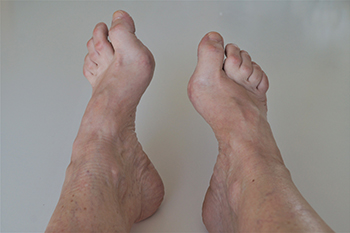
High arches, or cavus foot, can cause significant pain due to the excessive pressure placed on the heel and the ball of the foot. People with high arches may experience pain when walking or standing, calluses from uneven weight distribution, curled toes, and ankle instability. Without proper support, high arches can contribute to an unsteady gait, increasing the risk of ankle sprains. A podiatrist may recommend custom orthotics to improve foot alignment and provide cushioning, foot pads to relieve pressure, or ankle braces to enhance stability. If non-surgical methods do not alleviate symptoms, surgery may be considered. For instance, a tendon transfer can help balance muscle function, while an osteotomy may be used to realign bones. In more severe cases, the plantar fascia can be partially cut to reduce arch tension and relieve pain caused by excessive tightness. Another option is fusing two or more bones in the foot to create a more stable structure. If you have high arches that cause discomfort, it is suggested that you schedule an appointment with a podiatrist for an exam, diagnosis, and treatment options, which may include surgery.
If you have any concerns about your feet, contact Dr. Alan J. Spector from Shore Podiatry. Our doctor can provide the care you need to keep you pain-free and on your feet.
Biomechanics in Podiatry
Podiatric biomechanics is a particular sector of specialty podiatry with licensed practitioners who are trained to diagnose and treat conditions affecting the foot, ankle and lower leg. Biomechanics deals with the forces that act against the body, causing an interference with the biological structures. It focuses on the movement of the ankle, the foot and the forces that interact with them.
A History of Biomechanics
Modern technological improvements are based on past theories and therapeutic processes that provide a better understanding of podiatric concepts for biomechanics. Computers can provide accurate information about the forces and patterns of the feet and lower legs.
Understanding biomechanics of the feet can help improve and eliminate pain, stopping further stress to the foot.
If you have any questions please feel free to contact our office located in Point Pleasant, NJ . We offer the newest diagnostic and treatment technologies for all your foot and ankle needs.

Gout is a painful, inflammatory form of arthritis. Those affected will typically feel an intense stiffness in the joints of their feet, particularly in the big toe. Schedule a visit to learn about how gout can be managed and treated.
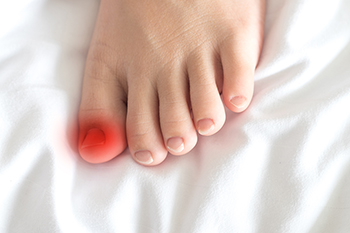
Ingrown toenails occur when the edges of a toenail grow into the surrounding skin, causing pain, redness, and swelling. This often happens on the big toe and can be incredibly uncomfortable. Symptoms include tenderness, visible inflammation, and sometimes an infection with pus if left untreated. The main causes of ingrown toenails include improper nail trimming, wearing tight shoes that put pressure on the toes, or injury to the nail. People with conditions like diabetes or poor circulation are also more prone to developing ingrown toenails due to their feet being more vulnerable to infection. A podiatrist can help by properly diagnosing the condition and offering treatments, such as topical antibiotics, or in some cases, surgically removing part of the toenail. Podiatrists can also offer advice on proper nail care and footwear to prevent future occurrences. If you have a painful ingrown toenail, it is suggested that you make an appointment with a podiatrist.
Ingrown toenails can become painful if they are not treated properly. For more information about ingrown toenails, contact Dr. Alan J. Spector of Shore Podiatry. Our doctor can provide the care you need to keep you pain-free and on your feet.
Ingrown Toenails
Ingrown toenails occur when a toenail grows sideways into the bed of the nail, causing pain, swelling, and possibly infection.
Causes
Prevention
Because ingrown toenails are not something found outside of shoe-wearing cultures, going barefoot as often as possible will decrease the likeliness of developing ingrown toenails. Wearing proper fitting shoes and using proper cutting techniques will also help decrease your risk of developing ingrown toenails.
Treatment
Ingrown toenails are a very treatable foot condition. In minor cases, soaking the affected area in salt or antibacterial soaps will not only help with the ingrown nail itself, but also help prevent any infections from occurring. In more severe cases, surgery is an option. In either case, speaking to your podiatrist about this condition will help you get a better understanding of specific treatment options that are right for you.
If you have any questions please feel free to contact our office located in Point Pleasant, NJ . We offer the newest diagnostic and treatment technologies for all your foot and ankle needs.
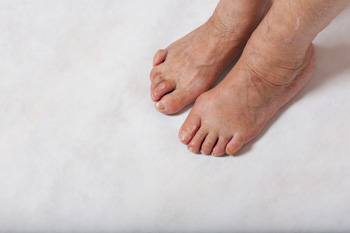
Patients undergoing combined bunion and hammertoe surgery often experience more pain and slower recovery than those who have bunion correction alone. Research shows that those individuals with both conditions tend to have more severe foot deformities preoperatively and see less improvement in pain levels post-surgery. Since bunions can contribute to hammertoe formation, early intervention is key. Signs such as the second toe lifting or pain beneath the second metatarsal head may indicate worsening deformity. Addressing bunions before hammertoes develop may help prevent the need for additional surgical correction. If you are noticing changes in your toe alignment or have increased discomfort, it is suggested that you consult a podiatrist for better long-term outcomes and a smoother recovery process.
Hammertoes can be a painful condition to live with. For more information, contact Dr. Alan J. Spector of Shore Podiatry. Our doctor will answer any of your foot- and ankle-related questions.
Hammertoe
Hammertoe is a foot deformity that occurs due to an imbalance in the muscles, tendons, or ligaments that normally hold the toe straight. It can be caused by the type of shoes you wear, your foot structure, trauma, and certain disease processes.
Symptoms
Risk Factors
Treatment
If you have hammertoe, you should change into a more comfortable shoe that provides enough room for your toes. Exercises such as picking up marbles may strengthen and stretch your toe muscles. Nevertheless, it is important to seek assistance from a podiatrist in order to determine the severity of your hammertoe and see which treatment option will work best for you.
If you have any questions, please feel free to contact our office located in Point Pleasant, NJ . We offer the newest diagnostic and treatment technologies for all your foot care needs.
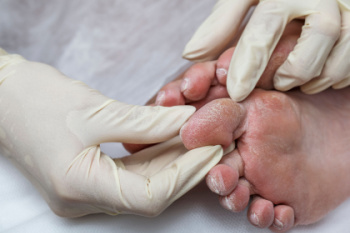
Diabetic foot care is essential for managing the effects of diabetes on the feet. High blood sugar levels can cause poor circulation and lead to nerve damage, resulting in dry, cracked skin, sores, and changes in the shape of the feet. Symptoms include numbness, tingling, and a loss of sensation, making it harder to notice injuries. If left untreated, cracks or sores can lead to infections, which can become serious for people with diabetes. A podiatrist can help manage and prevent these complications by providing regular foot exams and addressing any existing issues. This type of doctor can treat cracked skin and recommend diabetic-friendly footwear to reduce pressure on the feet. If sores or infections develop, a podiatrist can clean and dress the wounds, and in some cases, prescribe antibiotics. They may also provide custom orthotics to help with changes in foot shape. If you are experiencing any foot-related issues due to diabetes, it is suggested that you are under the care of a podiatrist.
Diabetic foot care is important in preventing foot ailments such as ulcers. If you are suffering from diabetes or have any other concerns about your feet, contact Dr. Alan J. Spector from Shore Podiatry. Our doctor can provide the care you need to keep you pain-free and on your feet.
Diabetic Foot Care
Diabetes affects millions of people every year. The condition can damage blood vessels in many parts of the body, especially the feet. Because of this, taking care of your feet is essential if you have diabetes, and having a podiatrist help monitor your foot health is highly recommended.
The Importance of Caring for Your Feet
Patients with diabetes should have their doctor monitor their blood levels, as blood sugar levels play such a huge role in diabetic care. Monitoring these levels on a regular basis is highly advised.
It is always best to inform your healthcare professional of any concerns you may have regarding your feet, especially for diabetic patients. Early treatment and routine foot examinations are keys to maintaining proper health, especially because severe complications can arise if proper treatment is not applied.
If you have any questions please feel free to contact our office located in Point Pleasant, NJ . We offer the newest diagnostic and treatment technologies for all your foot and ankle needs.