Point Pleasant



Falls are a common risk in pickleball, affecting both beginners and seasoned players. For newer players, unfamiliarity with movement patterns increases the likelihood of missteps. Experienced players, despite their skills, often face risks due to overconfidence or fatigue during intense games. Wearing proper pickleball-specific shoes is essential for maintaining traction and stability on the court. One key safety tip is to avoid backpedaling when retrieving lobs, as this movement can easily lead to loss of balance. Instead, turning and moving forward is a safer approach. Improving balance and agility through targeted exercises can also significantly reduce fall risks, keeping you steady during sudden directional changes. If a fall has resulted in foot or ankle pain, it is suggested that you consult a podiatrist for timely care and recovery.
Preventing falls among the elderly is very important. If you are older and have fallen or fear that you are prone to falling, consult with Dr. Alan J. Spector from Shore Podiatry. Our doctor will assess your condition and provide you with quality advice and care.
Every 11 seconds, an elderly American is being treated in an emergency room for a fall related injury. Falls are the leading cause of head and hip injuries for those 65 and older. Due to decreases in strength, balance, senses, and lack of awareness, elderly persons are very susceptible to falling. Thankfully, there are a number of things older persons can do to prevent falls.
How to Prevent Falls
Some effective methods that older persons can do to prevent falls include:
Falling can be a traumatic and embarrassing experience for elderly persons; this can make them less willing to leave the house, and less willing to talk to someone about their fears of falling. Doing such things, however, will increase the likelihood of tripping or losing one’s balance. Knowing the causes of falling and how to prevent them is the best way to mitigate the risk of serious injury.
If you have any questions, please feel free to contact our office located in Point Pleasant, NJ . We offer the newest diagnostic and treatment technologies for all your foot care needs.

Suffering from this type of pain? You may have the foot condition known as Morton's neuroma. Morton's neuroma may develop as a result of ill-fitting footwear and existing foot deformities. We can help.
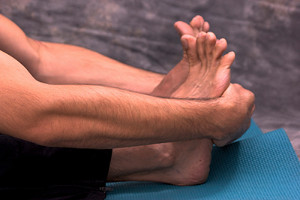
Toe exercises, such as toe raises, toe curls, and toe splaying, offer numerous benefits for foot and ankle health. These toe exercises work the muscles, tendons, and ligaments in the toes and lower legs, helping to strengthen and stabilize the feet. Regularly performing toe exercises can improve flexibility, enhance range of motion, and promote better balance, which makes daily activities like walking or running more comfortable and safe. Toe curls can build strength in the arch and improve foot control, while toe splaying enhances flexibility and helps reduce stiffness. These exercises also play a role in alleviating foot pain by supporting joint health and reducing strain on the plantar fascia and other connective tissues. A podiatrist can assess your foot structure and recommend a personalized regimen of toe exercises to address pain, improve function, or prevent injuries. If you have toe pain, it is suggested that you schedle an appointment with a podiatrist for an exam and treatment.
Toe pain can disrupt your daily activities. If you have any concerns, contact Dr. Alan J. Spector of Shore Podiatry. Our doctor can provide the care you need to keep you pain-free and on your feet.
What Causes Toe Pain?
Most severe toe pain is caused due to a sports injury, trauma from dropping something heavy on the toe, or bumping into something rigid. Other problems can develop over time for various reasons.
Toe pain can be caused by one or more ailments. The most common include:
When to See a Podiatrist
Diagnosis
In many cases the cause of toe pain is obvious, but in others, a podiatrist may want to use more advanced methods to determine the problem. These can range from simple visual inspections and sensation tests to X-rays and MRI scans. Prior medical history, family medical history, and any recent physical traumatic events will all be taken into consideration for a proper diagnosis.
Treatment
Treatments for toe pain and injuries vary and may include shoe inserts, padding, taping, medicines, injections, and in some cases, surgery. If you believe that you have broken a toe, please see a podiatrist as soon as possible.
If you have any questions please feel free to contact our office located in Point Pleasant, NJ . We offer the newest diagnostic tools and technology to treat your foot and ankle needs.
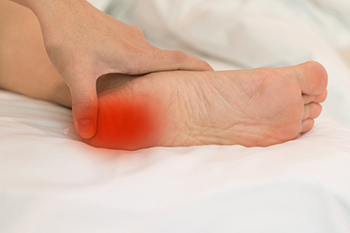
Plantar heel pain is a common condition characterized by sharp pain in the bottom of the heel, often felt in the morning or after long periods of rest. This pain is typically caused by inflammation of the plantar fascia, a thick band of tissue that runs along the bottom of the foot. Overuse, tight calf muscles, wearing improper footwear, and excessive weight can contribute to this condition. Repeated strain on the plantar fascia causes small tears, leading to pain and discomfort. Effective exercises for plantar heel pain include stretching the calf muscles, rolling a frozen water bottle under the foot to reduce inflammation, and performing toe stretches. Strengthening exercises for the foot and ankle, such as towel scrunches and resistance band exercises, can also improve flexibility and support. If you have heel pain, it is strongly suggested that you visit a podiatrist who can determine what the cause is, and offer effective relief and treatment solutions.
Many people suffer from bouts of heel pain. For more information, contact Dr. Alan J. Spector of Shore Podiatry. Our doctor can provide the care you need to keep you pain-free and on your feet.
Causes of Heel Pain
Heel pain is often associated with plantar fasciitis. The plantar fascia is a band of tissues that extends along the bottom of the foot. A rip or tear in this ligament can cause inflammation of the tissue.
Achilles tendonitis is another cause of heel pain. Inflammation of the Achilles tendon will cause pain from fractures and muscle tearing. Lack of flexibility is also another symptom.
Heel spurs are another cause of pain. When the tissues of the plantar fascia undergo a great deal of stress, it can lead to ligament separation from the heel bone, causing heel spurs.
Why Might Heel Pain Occur?
Treatments
Heel pain should be treated as soon as possible for immediate results. Keeping your feet in a stress-free environment will help. If you suffer from Achilles tendonitis or plantar fasciitis, applying ice will reduce the swelling. Stretching before an exercise like running will help the muscles. Using all these tips will help make heel pain a condition of the past.
If you have any questions please contact our office located in Point Pleasant, NJ . We offer the newest diagnostic and treatment technologies for all your foot and ankle needs.
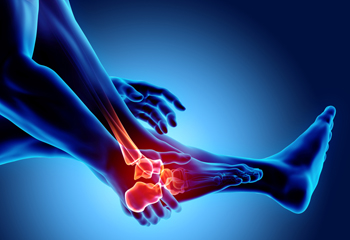
Ankle arthritis is a condition where the joints in the ankle become inflamed, causing pain, stiffness, and limited mobility. It occurs when the cartilage that cushions the bones in the ankle wears down over time, leading to direct contact between the bones. The most common causes of ankle arthritis include previous injuries, such as sprains or fractures, which can damage the joint and increase the risk of arthritis. Other contributing factors include age, genetics, and inflammatory conditions like rheumatoid arthritis. Symptoms of ankle arthritis typically include pain, especially after activity, swelling, and a decrease in range of motion. People with this condition may also experience difficulty walking, instability, and a feeling of weakness in the ankle. Managing ankle arthritis often involves a combination of medication, and in severe cases, surgery to improve mobility and reduce pain. If you have ankle pain, it is suggested that you consult a podiatrist who can accurately diagnose ankle arthritis and manage it accordingly.
Arthritis can be a difficult condition to live with. If you are seeking treatment, contact Dr. Alan J. Spector from Shore Podiatry. Our doctor can provide the care you need to keep you pain-free and on your feet.
Arthritic Foot Care
Arthritis is a joint disorder that involves the inflammation of different joints in your body, such as those in your feet. Arthritis is often caused by a degenerative joint disease and causes mild to severe pain in all affected areas. In addition to this, swelling and stiffness in the affected joints can also be a common symptom of arthritis.
In many cases, wearing ill-fitting shoes can worsen the effects and pain of arthritis. Wearing shoes that have a lower heel and extra room can help your feet feel more comfortable. In cases of rheumatoid arthritis, the arch in your foot may become problematic. Buying shoes with proper arch support that contour to your feet can help immensely.
Alleviating Arthritic Pain
It is best to see your doctor for the treatment that is right for your needs and symptoms. Conditions vary, and a podiatrist can help you determine the right method of care for your feet.
If you have any questions, please feel free to contact our office located in Point Pleasant, NJ . We offer the newest diagnostic tools and technology to treat your foot and ankle needs.

Have your child's feet been examined lately? Healthy feet are happy feet. If your child is complaining of foot pain, it may be a sign of underlying problems.
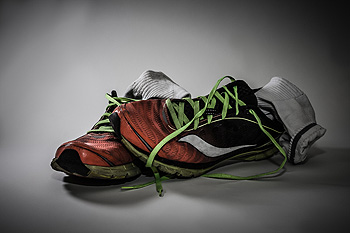
A running blister is a painful pocket of fluid that forms between layers of skin due to friction. This common injury occurs when repetitive rubbing from shoes or socks irritates the skin, causing it to separate and fill with fluid. Blisters are most likely to appear on the feet, particularly on the heels, toes, or soles, during long runs or intense physical activity. Prevention is key to avoiding blisters. Wearing well-fitted shoes that provide proper support and minimize friction is essential. Choosing moisture-wicking socks can help reduce the build-up of sweat, which increases the risk of blister formation. Using blister prevention tape or cushioned insoles can provide additional protection in high-risk areas. Finally, gradually increasing running distances allows the feet to adapt, reducing the likelihood of blisters. Foot blisters can be uncomfortable and may become infected if not properly treated. If you have a foot blister, it is suggested that you contact a podiatrist for proper treatment and prevention techniques.
Blisters are prone to making everyday activities extremely uncomfortable. If your feet are hurting, contact Dr. Alan J. Spector of Shore Podiatry. Our doctor can provide the care you need to keep you pain-free and on your feet.
Foot Blisters
Foot blisters develop as a result of constantly wearing tight or ill-fitting footwear. This happens due to the constant rubbing from the shoe, which can often lead to pain.
What Are Foot Blisters?
A foot blister is a small fluid-filled pocket that forms on the upper-most layer of the skin. Blisters are filled with clear fluid and can lead to blood drainage or pus if the area becomes infected.
How Do Blisters Form?
Blisters on the feet are often the result of constant friction of skin and material, usually by shoe rubbing. Walking in sandals, boots, or shoes that don’t fit properly for long periods of time can result in a blister. Having consistent foot moisture and humidity can easily lead to blister formation.
Prevention & Treatment
It is important to properly care for the affected area in order to prevent infection and ease the pain. Do not lance the blister and use a Band-Aid to provide pain relief. Also, be sure to keep your feet dry and wear proper fitting shoes. If you see blood or pus in a blister, seek assistance from a podiatrist.
If you have any questions, please feel free to contact our office located in Point Pleasant, NJ . We offer the newest diagnostic and treatment technologies for all your foot care needs.