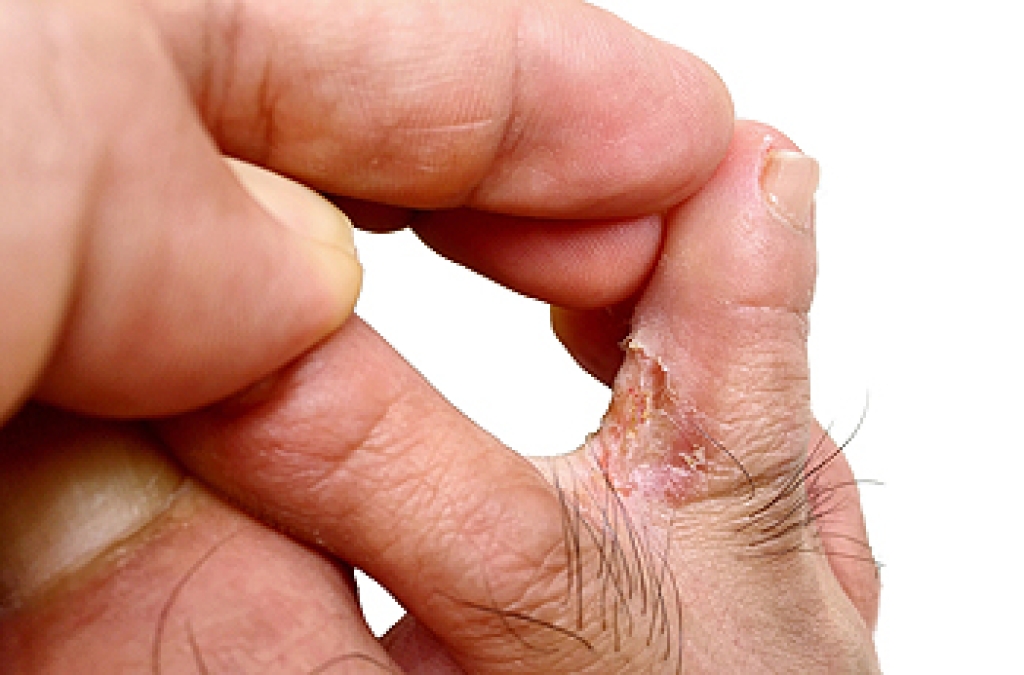
Athlete’s foot is a fungal infection that affects the skin of the feet. It is caused by fungi called dermatophytes, which thrive in warm, damp environments. The infection can develop between the toes, along the soles, or on other areas of the foot. Common symptoms include itching, burning, and cracked skin. Some people may also develop small blisters or soreness. Although athlete’s foot is usually manageable, untreated infections can spread to the toenails or other areas of the body.
There are several ways a person may develop athlete’s foot. Walking barefoot in damp public areas can increase exposure to fungi. Wearing sweaty shoes and socks for long periods creates an environment where fungal organisms thrive. Sharing footwear, socks, or towels with someone who has a fungal infection can also increase the risk. Athletes may be particularly vulnerable because sports often involve sweating, shared facilities, and prolonged periods in enclosed shoes. Other risk factors include excessive foot sweating, minor skin damage, and keeping the feet damp after bathing or exercise.
A podiatrist can diagnose athlete’s foot by examining the affected skin and reviewing symptoms. In some cases, a small skin sample may be tested to confirm a fungal infection when the diagnosis is uncertain. The podiatrist may recommend an appropriate antifungal medication and provide guidance about footwear and foot hygiene. If the skin is cracked or severely irritated, additional care may be needed to reduce the risk of bacterial infection. Persistent infections may require further evaluation.
Preventing athlete’s foot involves keeping the feet clean and dry and changing damp socks or shoes promptly. Patients should also avoid sharing personal items that contact the feet and should use appropriate footwear in communal wet areas. Seeking treatment early can reduce discomfort and help prevent the infection from spreading. If you have symptoms of athlete’s foot, it is suggested that you consult a podiatrist for effective relief and treatment solutions, which may include prescribed medication.
Athlete’s foot is an inconvenient condition that can be easily reduced with the proper treatment. If you have any concerns about your feet and ankles, contact Dr. Alan J. Spector from Shore Podiatry. Our doctor will treat your foot and ankle needs.
Athlete’s Foot: The Sole Story
Athlete's foot, also known as tinea pedis, can be an extremely contagious foot infection. It is commonly contracted in public changing areas and bathrooms, dormitory style living quarters, around locker rooms and public swimming pools, or anywhere your feet often come into contact with other people.
Solutions to Combat Athlete’s Foot
- Hydrate your feet by using lotion
- Exfoliate
- Buff off nails
- Use of anti-fungal products
- Examine your feet and visit your doctor if any suspicious blisters or cuts develop
Athlete’s foot can cause many irritating symptoms such as dry and flaking skin, itching, and redness. Some more severe symptoms can include bleeding and cracked skin, intense itching and burning, and even pain when walking. In the worst cases, Athlete’s foot can cause blistering as well. Speak to your podiatrist for a better understanding of the different causes of Athlete’s foot, as well as help in determining which treatment options are best for you.
If you have any questions please feel free to contact our office located in Point Pleasant, NJ . We offer the newest diagnostic and treatment technologies for all your foot and ankle needs.