producer-demonic
Point Pleasant
Review Us
Follow Us
Like Us

Blog

Orthotics for Better Foot Support and Comfort

Orthotics are designed to support and improve the function of the feet and ankles. They can be placed inside shoes or worn around the foot and ankle, depending on the type of support needed. Orthotics may help relieve pain by changing how pressure is distributed across the foot. They can also provide support when a joint, muscle, or other structure is not functioning properly. Some orthotic devices are available in standard sizes, while custom orthotics are created specifically for an individual’s foot shape and medical needs.


Different types of orthotics serve different purposes. Shoe inserts may provide cushioning or additional support inside footwear. Custom-made orthotics can be designed to correct an abnormal walking pattern or reduce pressure on a painful area. An ankle-foot orthosis extends above the ankle and can provide greater stability when weakness or another medical problem affects movement. Orthotic devices may be recommended for several foot and ankle concerns, depending on the source of the symptoms. Since each person’s needs are different, the type of device used should match the specific problem affecting movement or comfort.


A podiatrist can evaluate foot or ankle pain and determine whether orthotics may be appropriate. This evaluation may include examining foot structure, joint movement, and walking patterns. If an orthotic is recommended, a podiatrist can determine what level of support is needed and whether a custom-made device may provide greater benefit. Properly selected orthotics can support the foot while addressing pressure or alignment problems that contribute to discomfort. A podiatrist can also evaluate whether another treatment is necessary when symptoms have a different underlying cause. If persistent foot or ankle pain is affecting your comfort or ability to walk, it is suggested that you consult a podiatrist for an evaluation and appropriate treatment options.

If you are having discomfort in your feet and would like to try orthotics, contact Dr. Alan J. Spector from Shore Podiatry. Our doctor can provide the care you need to keep you pain-free and on your feet.

What Are Orthotics?

Orthotics are inserts you can place into your shoes to help with a variety of foot problems such as flat feet or foot pain. Orthotics provide relief and comfort for minor foot and heel pain but can’t correct serious biomechanical problems in your feet.

Over-the-Counter Inserts

Orthotics come in a wide variety of over-the-counter inserts that are used to treat foot pain, heel pain, and minor problems. For example, arch supports can be inserted into your shoes to help correct overarched or flat feet, while gel insoles are often used because they provide comfort and relief from foot and heel pain by alleviating pressure.

Prescription Orthotics

If over-the-counter inserts don’t work for you or if you have a more severe foot concern, it is possible to have your podiatrist prescribe custom orthotics. These high-quality inserts are designed to treat problems such as abnormal motion, plantar fasciitis, and severe forms of heel pain. They can even be used to help patients suffering from diabetes by treating foot ulcers and painful calluses and are usually molded to your feet individually, which allows them to provide full support and comfort.

If you are experiencing minor to severe foot or heel pain, it’s recommended to speak with your podiatrist about the possibilities of using orthotics. A podiatrist can determine which type of orthotic is right for you and allow you to take the first steps towards being pain-free.

If you have any questions, please feel free to contact our office located in Point Pleasant, NJ . We offer the newest diagnostic and treatment technologies for all your foot care needs.

Read more about Foot Orthotics

Why Nurses Develop Foot Pain at Work

Nurses spend much of each shift standing, walking, and moving quickly across hard floors. These demands can place repeated pressure on the feet and ankles, especially during long shifts with limited chances to sit. Pain can develop in the heels, arches, or balls of the feet. Nurses can also experience swelling, muscle fatigue, and sore ankles. Plantar fasciitis, which is irritation of the band of tissue along the bottom of the foot, can cause sharp heel pain. Tendon injuries and stress fractures can also occur when repeated strain exceeds the body’s ability to recover.

Several job-related factors can increase the risk of foot pain in nursing. Long shifts give the feet less time to recover. Hard hospital floors increase the force that travels through the legs. Shoes that lack proper support can add strain, and a narrow toe box can crowd the toes. Poorly-fitting shoes can also cause blisters, corns, or ingrown toenails. Nurses who change how they walk to avoid pain can place added stress on another part of the foot. Persistent discomfort can make it harder to complete rounds, assist patients, and respond quickly.

A podiatrist can identify the source of pain by examining the feet, checking joint movement, and reviewing work demands. X-rays or other imaging tests can help detect fractures or joint damage. Treatment options include custom orthotics to improve support, padding to reduce pressure, or a brace to stabilize an injured area. A podiatrist can also recommend work shoes with proper cushioning, enough toe space, and a secure fit. Guidance about replacing worn shoes can further reduce strain. Early care can keep a minor problem from interfering with mobility or becoming more difficult to treat properly. If you have foot pain from standing for long hours on the job, it is suggested that you schedule an appointment with a podiatrist for a diagnosis and appropriate treatment.

While working on the feet, it is important to take the proper care of them. For more information about working on your feet, contact Dr. Alan J. Spector from Shore Podiatry. Our doctor will treat your foot and ankle needs.

Working on Your Feet

Standing on your feet for long periods of time can cause stress and pain in your feet. Your whole body may experience change in terms of posture, back pain, bunions, callouses and or plantar warts. There are ways to avoid these conditions with proper foot care, smart choices and correct posture.

Positive Changes

Negative heeled shoe – Choosing this shoe type places the heel slightly lower than the ball of the foot. These are great for overall foot health. Find shoes that fit you correctly.

Go barefoot – Our feet were not designed to be enclosed for all hours of the day. Try to periodically expose your feet to air.

Eliminate Pain

Foot Exercises – Performing simple exercises, incorporating yoga and doing stretches are beneficial. This will allow increased blood flow to the area and muscles of the foot.

Achilles tendon – Stretching the foot out flat on the floor will relax the calf muscles and tendon. These exercises can be performed almost anywhere. Make sure you add these exercises to your daily regimen. 

With a little bit of this information and knowing more about foot health, you will notice changes. Foot stretches and proper footwear will help with pain and prevent further issues.

If you have any questions please contact our office located in Point Pleasant, NJ . We offer the newest diagnostic and treatment technologies for all your foot and ankle needs.

Read more about Working on Your Feet

It's Time for Beautiful Feet

You don't need an excuse to have beautiful nails. Step outside without worrying about the appearance of your feet.

Recognizing Symptoms of a Bunion

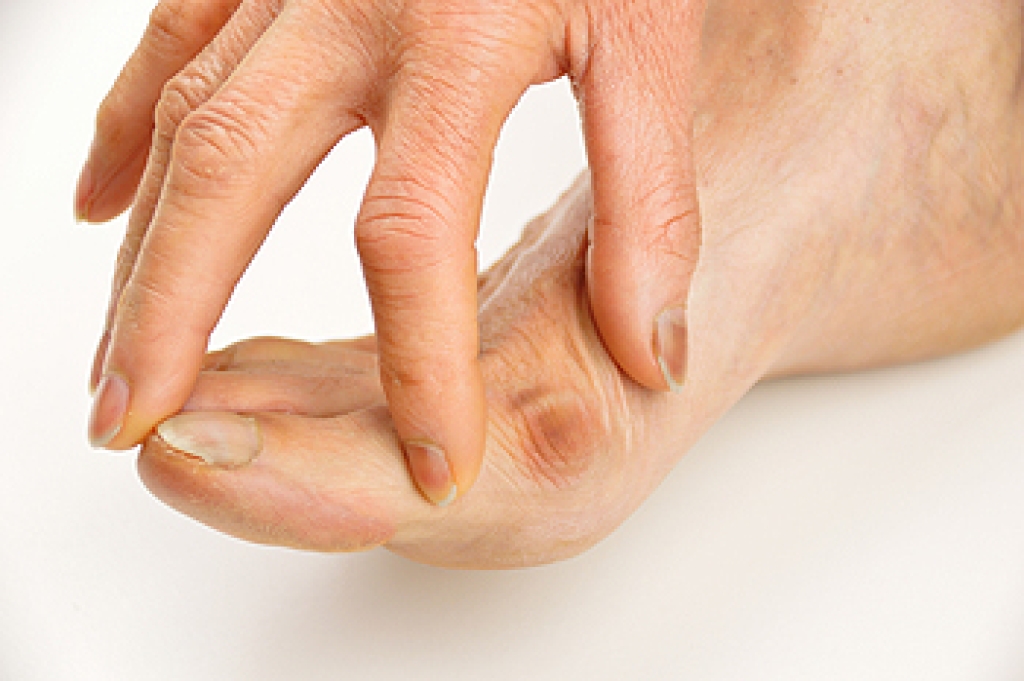
A bunion, also known as hallux valgus, is a structural foot deformity that forms at the base of the big toe. The big toe gradually shifts toward the smaller toes, while the first metatarsal moves outward. This changes the alignment of the foot and creates a visible bump along the inside of the foot. The area may become red, swollen, or irritated, especially when shoes press against it. Over time, the big toe may angle farther inward, and the joint can become stiff, enlarged, and painful.

Bunion symptoms vary from mild irritation to persistent discomfort. Common signs include pain, swelling, and difficulty walking comfortably. Calluses or thickened skin may develop when pressure increases around the affected area. Risk factors include family history, inherited foot structure, and certain inflammatory or joint conditions. Narrow or pointed shoes do not usually cause bunions by themselves, but they can increase pressure and aggravate existing symptoms.

Bunions can develop because of inherited foot mechanics, uneven weight distribution, or structural changes within the foot. A podiatrist can evaluate the condition by examining the foot and discussing symptoms. The exam may include checking joint movement, looking at foot alignment, and observing walking patterns. X-rays may be recommended to assess bone positioning and determine the severity of the deformity.

Treatment focuses on relieving pressure, reducing discomfort, and supporting normal foot function. Wearing shoes with a wider toe box can give the big toe more room. Protective padding may reduce friction and pressure, while activity changes can also help limit irritation. Supportive orthotics may improve weight distribution and foot alignment. Early evaluation can help identify contributing factors and guide appropriate care before symptoms become more difficult to manage. If you have developed a bunion, it is suggested that you consult a podiatrist who can offer effective relief and management tips.

If you are suffering from bunion pain, contact Dr. Alan J. Spector of Shore Podiatry. Our doctor can provide the care you need to keep you pain-free and on your feet.

What Is a Bunion?

Bunions are painful bony bumps that usually develop on the inside of the foot at the joint of the big toe. As the deformity increases over time, it may become painful to walk and wear shoes. Women are more likely to exacerbate existing bunions since they often wear tight, narrow shoes that shift their toes together. Bunion pain can be relieved by wearing wider shoes with enough room for the toes.

Causes

  • Genetics – some people inherit feet that are more prone to bunion development
  • Inflammatory Conditions - rheumatoid arthritis and polio may cause bunion development

Symptoms

  • Redness and inflammation
  • Pain and tenderness
  • Callus or corns on the bump
  • Restricted motion in the big toe

In order to diagnose your bunion, your podiatrist may ask about your medical history, symptoms, and general health. Your doctor might also order an x-ray to take a closer look at your feet. Nonsurgical treatment options include orthotics, padding, icing, changes in footwear, and medication. If nonsurgical treatments don’t alleviate your bunion pain, surgery may be necessary.

If you have any questions, please feel free to contact our office located in Point Pleasant, NJ . We offer the newest diagnostic and treatment technologies for all your foot care needs.
Read more about What Are Bunions?

Understanding Corns on the Feet

Corns are thick, hardened areas of skin that develop when repeated pressure or friction affects a specific part of the foot. Unlike a callus, which usually covers a larger area, a corn is smaller and has a firm center that can become quite painful. Corns usually form on the tops or sides of the toes or between the toes where rubbing occurs.  Wearing shoes that are too tight, shoes that are too loose, and high heels can all increase pressure on the skin. Foot problems like hammertoes or claw toes also raise the risk because they change the way the toes press against shoes. As the skin thickens to protect itself, discomfort while walking can become harder to ignore.

A podiatrist can identify a corn with a careful examination and determine what is causing the repeated pressure. Finding the underlying cause is important because simply removing the thickened skin does not prevent the corn from returning. Treatment includes gently trimming the hardened skin in the office to relieve discomfort. A podiatrist can also evaluate toe deformities and explain whether surgery is the best option when a structural problem continues to create excessive pressure. Patients also receive guidance about choosing shoes with a roomy toe area and avoiding shoes that lack proper support. These steps help reduce pressure on sensitive areas and improve comfort with daily activities.

Ignoring a painful corn can make standing and walking more difficult while increasing irritation around the affected area. Early care helps relieve discomfort before the problem becomes more limiting. A podiatrist can recommend treatment that matches your foot structure and activity level while helping reduce repeated pressure on vulnerable areas. Prompt evaluation also helps identify related foot problems before they become more serious. If you have developed corns on the feet, it is suggested that you schedule an appointment with a podiatrist for a diagnosis and appropriate treatment.

If you have any concerns regarding your feet and ankles, contact Dr. Alan J. Spector of Shore Podiatry. Our doctor will treat your foot and ankle needs.

Corns: What Are They? and How Do You Get Rid of Them?
Corns can be described as areas of the skin that have thickened to the point of becoming painful or irritating. They are often layers and layers of the skin that have become dry and rough, and are normally smaller than calluses.

Ways to Prevent Corns
There are many ways to get rid of painful corns such as wearing:

  • Well-fitting socks
  • Comfortable shoes that are not tight around your foot
  • Shoes that offer support

Treating Corns
Treatment of corns involves removing the dead skin that has built up in the specific area of the foot. Consult with Our doctor to determine the best treatment option for your case of corns.

If you have any questions, please feel free to contact our office located in Point Pleasant, NJ . We offer the newest diagnostic and treatment technologies for all your foot care needs.

Read more about Everything You Need to Know About Corns
Connect with us
fb ico x goog ico blog ico big