Do you suffer from heel pain when you get up in the morning? If so, you should seek professional help and have a proper diagnosis performed. Heel pain can be caused by several different foot-related conditions.
Do you suffer from heel pain when you get up in the morning? If so, you should seek professional help and have a proper diagnosis performed. Heel pain can be caused by several different foot-related conditions.
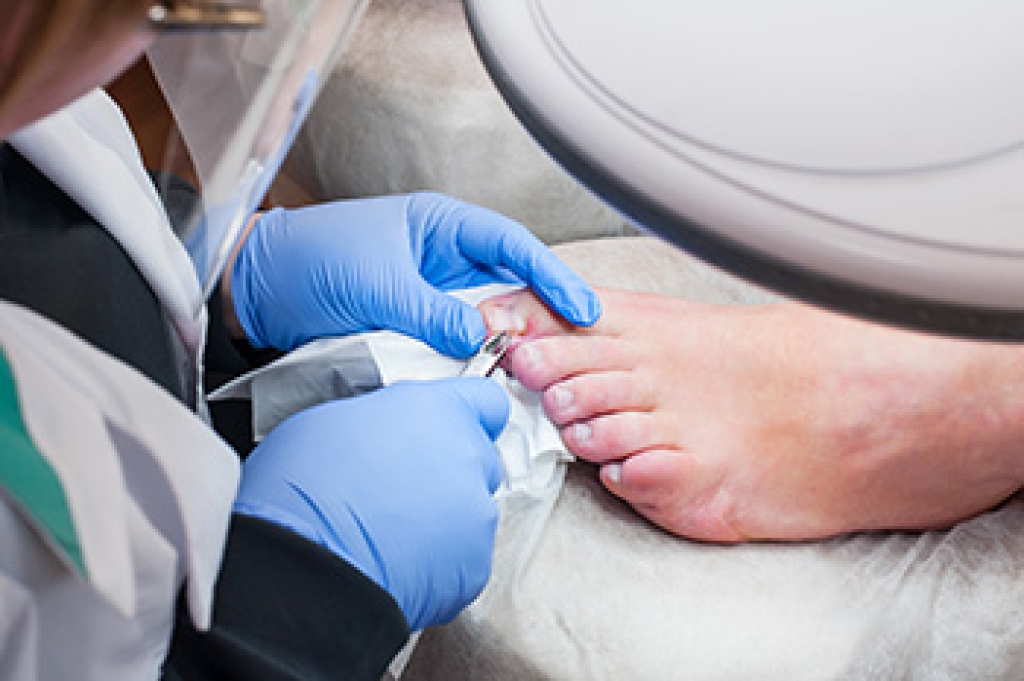
Chronic ingrown toenails can significantly affect mobility and overall foot comfort, especially when left untreated. This condition occurs when the nail edge presses into the surrounding skin, leading to inflammation and possible infection. While mild cases may respond to home care, persistent or severe cases often require surgery to correct. The Winograd procedure is a well-established method that targets the root cause by removing part of the nail. This prevents regrowth in the affected area, offering a reliable long-term solution.
Common symptoms that lead patients to seek this type of foot surgery include ongoing pain, swelling, and redness. Discharge along the nail border is another factor. These symptoms can worsen and interfere with walking, exercise, and footwear choices. Several risk factors contribute to the development of ingrown toenails. Among them are improper nail cutting techniques, wearing narrow or tight shoes, and repeated pressure from running or standing. Genetic nail shape may also contribute. Identifying these factors is key to both treatment and prevention.
During the Winograd procedure, a podiatrist administers a local anesthetic to ensure comfort throughout the process. A small section of the ingrown nail and the underlying growth tissue is carefully removed. By addressing the nail matrix, the procedure reduces the chance of recurrence. The treated area is then bandaged, and patients receive instructions for proper aftercare. Healing typically progresses smoothly, with minimal downtime and noticeable improvement in symptoms within days.
Surgery is often recommended for patients who experience repeated ingrown toenails or complications such as infection. It provides lasting relief and supports better foot health. Early intervention can prevent further discomfort and complications. If you are dealing with recurring ingrown toenails, it is strongly suggested that you consult a podiatrist who can determine if this type of foot surgery is right for you.
Foot surgery is sometimes necessary to treat a foot ailment. To learn more, contact Dr. Alan J. Spector of Shore Podiatry. Our doctor will assist you with all of your foot and ankle needs.
When Is Surgery Necessary?
Foot and ankle surgery is generally reserved for cases in which less invasive, conservative procedures have failed to alleviate the problem. Some of the cases in which surgery may be necessary include:
What Types of Surgery Are There?
The type of surgery you receive will depend on the nature of the problem you have. Some of the possible surgeries include:
Benefits of Surgery
Although surgery is usually a last resort, it can provide more complete pain relief compared to non-surgical methods and may allow you to finally resume full activity.
Surgical techniques have also become increasingly sophisticated. Techniques like endoscopic surgery allow for smaller incisions and faster recovery times.
If you have any questions, please feel free to contact our office located in Point Pleasant, NJ . We offer the newest diagnostic and treatment technologies for all your foot care needs.
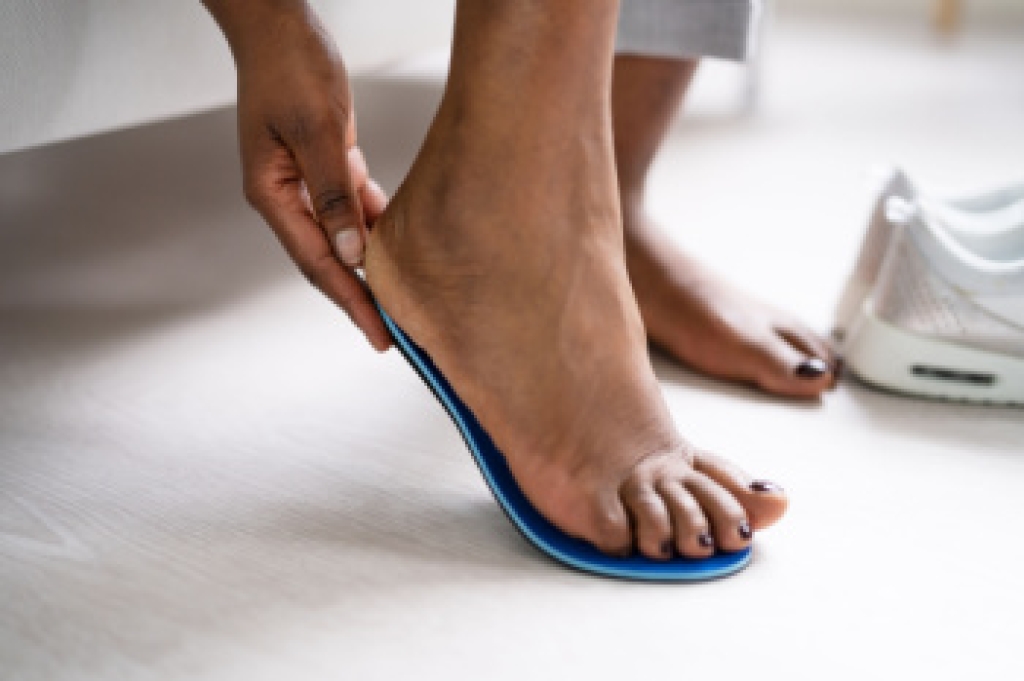
Custom foot orthotics are specialized shoe inserts designed to support the feet and improve alignment during movement. Unlike over-the-counter insoles, these devices are tailored to fit the unique contours of each foot. Functional foot orthotics focus on correcting abnormal motion, while custom-molded total contact insoles provide full-surface cushioning and pressure control. These orthotics are commonly used to manage a wide range of foot conditions and improve overall biomechanics.
Common symptoms that may lead to the use of orthotics include arch pain, heel tenderness and swelling. Fatigue after standing or walking is another factor. Misalignment in the feet can also lead to discomfort in the knees, hips, and lower back. Risk factors include poor footwear choices, repetitive stress from physical activity, and excess body weight. Structural abnormalities, such as flat feet or high arches, are additional risks. Individuals who spend long hours on their feet are especially at risk for developing chronic foot issues.
Different types of orthotics serve different purposes. Functional foot orthotics are designed to correct movement patterns and improve stability. Custom molded total contact insoles focus on distributing pressure evenly and enhancing shock-absorption. These devices help reduce strain on muscles and joints while supporting natural foot motion. They also play an important role in improving balance and reducing the risk of injury during daily activities.
The benefits of orthotics extend beyond comfort. They can improve posture, enhance mobility, and reduce the likelihood of long-term complications. Proper support allows the body to move more efficiently and with less strain. Orthotics are a practical solution for managing both acute and chronic foot conditions. If you have symptoms that may require orthotics, it is suggested that you consult a podiatrist for guidance on proper support and treatment options.
If you are having discomfort in your feet and would like to try orthotics, contact Dr. Alan J. Spector from Shore Podiatry. Our doctor can provide the care you need to keep you pain-free and on your feet.
What Are Orthotics?
Orthotics are inserts you can place into your shoes to help with a variety of foot problems such as flat feet or foot pain. Orthotics provide relief and comfort for minor foot and heel pain but can’t correct serious biomechanical problems in your feet.
Over-the-Counter Inserts
Orthotics come in a wide variety of over-the-counter inserts that are used to treat foot pain, heel pain, and minor problems. For example, arch supports can be inserted into your shoes to help correct overarched or flat feet, while gel insoles are often used because they provide comfort and relief from foot and heel pain by alleviating pressure.
Prescription Orthotics
If over-the-counter inserts don’t work for you or if you have a more severe foot concern, it is possible to have your podiatrist prescribe custom orthotics. These high-quality inserts are designed to treat problems such as abnormal motion, plantar fasciitis, and severe forms of heel pain. They can even be used to help patients suffering from diabetes by treating foot ulcers and painful calluses and are usually molded to your feet individually, which allows them to provide full support and comfort.
If you are experiencing minor to severe foot or heel pain, it’s recommended to speak with your podiatrist about the possibilities of using orthotics. A podiatrist can determine which type of orthotic is right for you and allow you to take the first steps towards being pain-free.
If you have any questions, please feel free to contact our office located in Point Pleasant, NJ . We offer the newest diagnostic and treatment technologies for all your foot care needs.
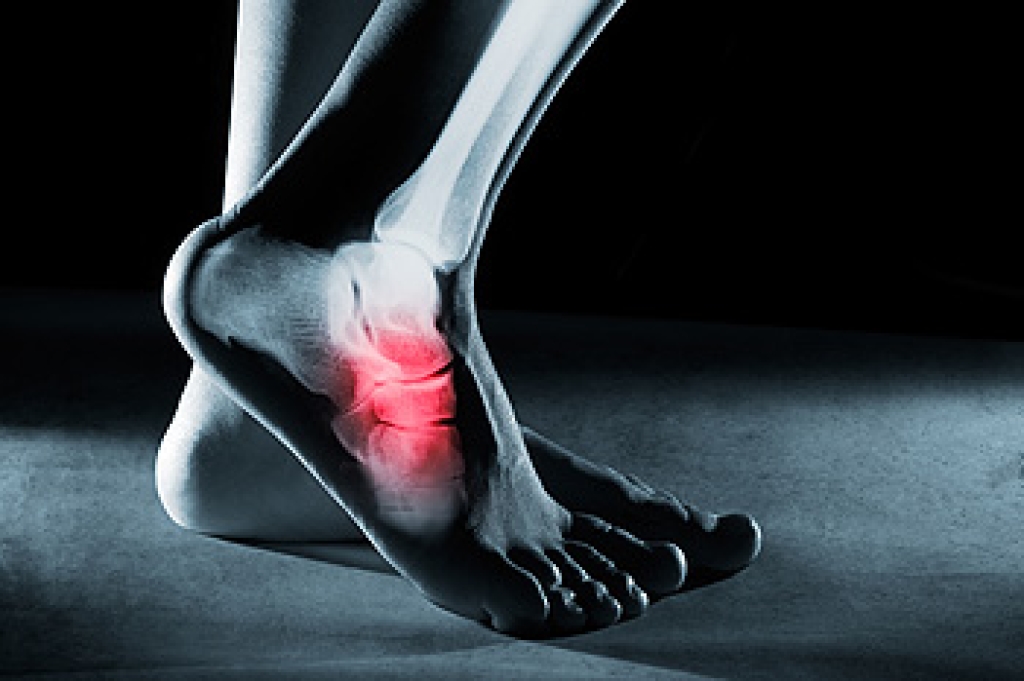
A foot stress fracture is a small crack in one of the bones of the foot caused by repeated stress over time. Unlike a sudden break from a major injury, stress fractures usually develop gradually from repetitive trauma and increased pressure on the bones. They commonly affect athletes, runners, and individuals who increase activity levels too quickly. When bones do not have enough time to recover between activities, tiny cracks can form and worsen. Understanding the causes and warning signs of stress fractures is important for preventing more serious injuries.
Symptoms of a foot stress fracture often include localized pain that develops during activity and improves with rest in the early stages. As the injury progresses, pain may become more constant and affect daily walking. Swelling, tenderness, and sensitivity when pressing on the affected area are also common. Some individuals notice difficulty bearing weight or a change in their activity level due to discomfort. Unlike general soreness, stress fracture pain usually becomes more noticeable with continued activity and should not be ignored.
Several risk factors increase the likelihood of developing foot stress fractures. High-impact sports such as running, basketball, and gymnastics place repeated stress on the bones. Increasing training frequency too quickly or exercising without enough recovery time can contribute to injury. Irregular running surfaces may create uneven pressure throughout the foot. Additional risk factors include poor physical health, low bone density, and female gender, especially when bone strength is affected by nutritional or hormonal factors. These conditions can reduce the ability of bones to handle repeated impact.
Preventing foot stress fractures requires gradual training increases, wearing proper footwear, and adequate recovery between activities. Maintaining strong bones through proper nutrition and healthy lifestyle habits can also reduce risk. If you have developed a foot stress fracture, it is suggested that you consult a podiatrist for effective relief and treatment solutions.
Stress fractures occur when there is a tiny crack within a bone. To learn more, contact Dr. Alan J. Spector from Shore Podiatry. Our doctor can provide the care you need to keep you pain free and on your feet.
How Are They Caused?
Stress fractures are the result of repetitive force being placed on the bone. Since the lower leg and feet often carry most of the body’s weight, stress fractures are likely to occur in these areas. If you rush into a new exercise, you are more likely to develop a stress fracture since you are starting too much, too soon. Pain resulting from stress fractures may go unnoticed at first, however it may start to worsen over time.
Risk Factors
Stress fractures do not always heal properly, so it is important that you seek help from a podiatrist if you suspect you may have one. Ignoring your stress fracture may cause it to worsen, and you may develop chronic pain as well as additional fractures.
If you have any questions please contact our office located in Point Pleasant, NJ . We offer the newest diagnostic and treatment technologies for all your foot and ankle needs.

Plantar warts are small growths that develop on parts of the feet that bear weight. They're typically found on the bottom of the foot. Don't live with plantar warts, and call us today!