Have your child's feet been examined lately? Healthy feet are happy feet. If your child is complaining of foot pain, it may be a sign of underlying problems.
Have your child's feet been examined lately? Healthy feet are happy feet. If your child is complaining of foot pain, it may be a sign of underlying problems.
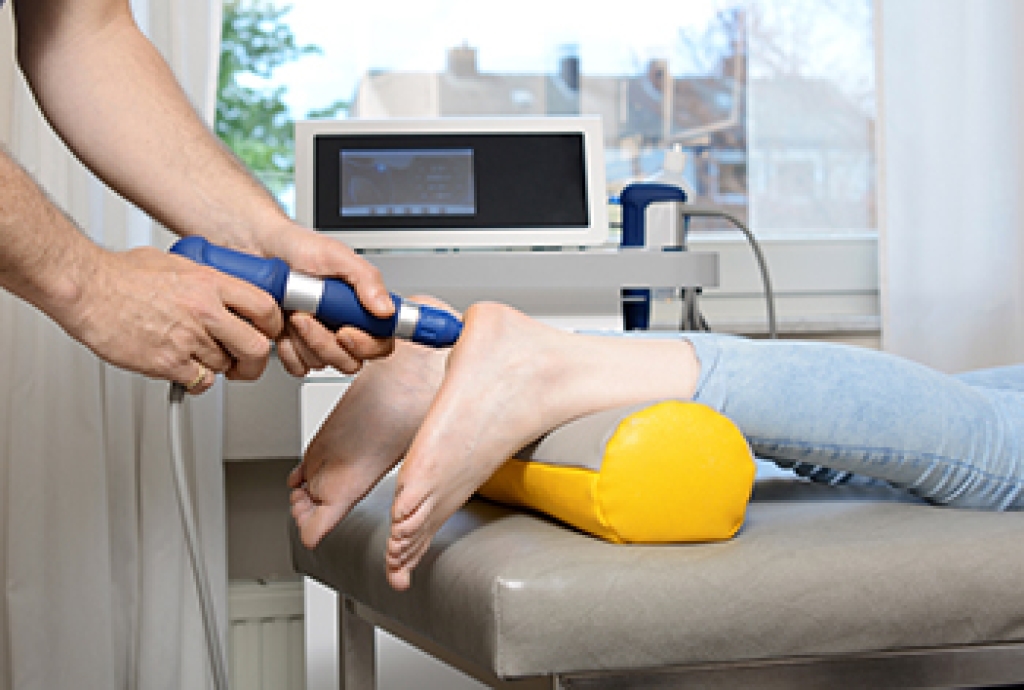
Many people seek help for pain from plantar fasciitis, an inflammation of the band of tissue that runs beneath the foot from the toes to the heel. Some simple remedies for plantar fasciitis include rest, exercise, and medication. It has also been found that shockwave therapy can be effective in reducing pain and helping to heal the plantar fascia. This non-invasive treatment consists of applying penetrating waves of ultrasound energy into the inflamed area. The body responds by creating new blood vessels and stimulates nerve endings that can help to heal the area. While the treatment occurs without any surgery, it can be painful. Sometimes multiple treatments are required, depending on the severity of the plantar fasciitis. Results of shockwave therapy may vary, but most commonly the pain of plantar fasciitis subsides. Fortunately, there are many ways to treat symptoms of plantar fasciitis. Please consult a podiatrist for more information on the treatment options that are best for you.
Shockwave therapy is a treatment commonly used to treat various injuries and conditions, particularly plantar fasciitis in the feet. To learn more, consult with Dr. Alan J. Spector from Shore Podiatry. Our doctor can provide the care you need to keep you pain-free and on your feet.
Shockwave Therapy
Shockwave therapy is a new treatment option designed to treat bone conditions such as tennis elbow, shoulder pain, and others. Shockwave therapy uses high intensity sound waves that are directed to the affected tissues of the body with pinpoint accuracy. The effects are very beneficial, leading to a production of collagen fibers, eliminating inflammation.
Who Benefits from Shockwave?
Shockwave is recommended for patients suffering from heel pain and associated problems. Heel pain is a common condition which can be caused by obesity, overexertion, and spending a substantial amount of time on hard floors with your feet exposed and unsupported.
Fast and Easy
The therapy is actually a simple process that can leave patients feeling better the very next day. Shockwave therapy is not as dramatic as it sounds. It enables more blood flow to effected areas, addressing the source of the problem and allowing treatment to last for a long time.
Treatment & Recovery Time
Shockwave treatment will enable your feet to recover quickly. This is especially important since surgery is not required. It is cost effective and does not require the use of anesthesia. This treatment is a better option to surgery, since it is proven safe.
If you have any questions, please feel free to contact our office located in Point Pleasant, NJ . We offer the newest diagnostic and treatment technologies for all your foot and ankle needs.

Foot pain, a common and often underestimated concern, can happen for different reasons, each demanding attention for effective relief. Overuse and strain can result from prolonged standing or excessive physical activity, leading to discomfort and inflammation. Ill fitting footwear is also a common reason to have foot pain, and wearing shoes that are unsupportive can stress the feet's delicate structures. Conditions such as plantar fasciitis, characterized by heel pain, stem from inflammation of the foot's thick tissue band. Arthritis can also trigger foot pain as a result of joint inflammation. Addressing foot pain requires appropriate measures to be taken, including rest, gentle stretches, and the use of orthotic insoles. In more severe cases, medical consultation from a podiatrist may be essential for diagnosis and personalized treatment. If you have foot pain, it is strongly suggested that you are under the care of a podiatrist who can effectively determine what the cause is, and offer correct treatment methods.
Foot Pain
Foot pain can be extremely painful and debilitating. If you have a foot pain, consult with Dr. Alan J. Spector from Shore Podiatry. Our doctor will assess your condition and provide you with quality foot and ankle treatment.
Causes
Foot pain is a very broad condition that could be caused by one or more ailments. The most common include:
Diagnosis
To figure out the cause of foot pain, podiatrists utilize several different methods. This can range from simple visual inspections and sensation tests to X-rays and MRI scans. Prior medical history, family medical history, and any recent physical traumatic events will all be taken into consideration for a proper diagnosis.
Treatment
Treatment depends upon the cause of the foot pain. Whether it is resting, staying off the foot, or having surgery; podiatrists have a number of treatment options available for foot pain.
If you have any questions, please feel free to contact our office located in Point Pleasant, NJ . We offer the newest diagnostic and treatment technologies for all your foot care needs.
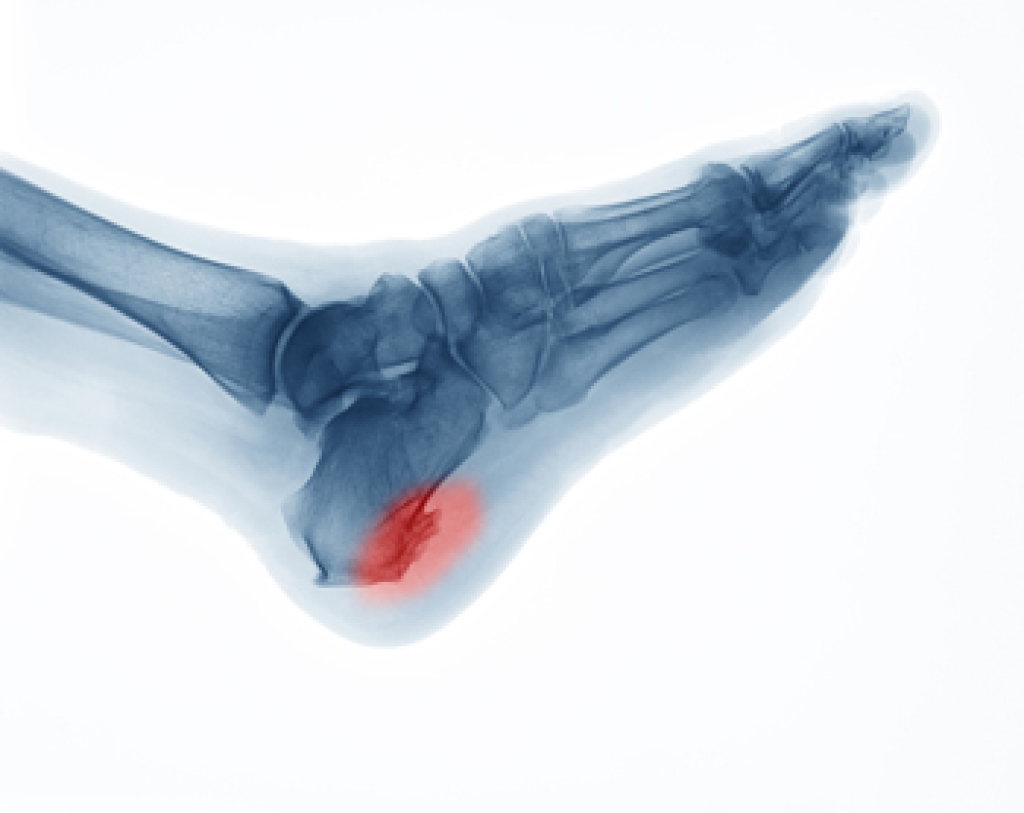
Heel spurs are commonly misunderstood and usually do not cause heel pain. In fact, most heel pain is attributed to plantar fasciitis, a condition where the ligament on the bottom of the foot, termed the plantar fascia, becomes chronically inflamed. It then can get calcified where it attaches to the heel bone. It may even appear as a heel spur on an X-ray. The pain stems from the strain on the plantar fascia, due to overuse or repetitive exertion, and often is made worse by wearing inadequately supportive footwear. Symptoms include discomfort on the bottom of the heel, which occasionally extends into the arch. Surgical removal of heel spurs is largely considered unnecessary, as relief from the pain can often occur without addressing the spur itself. Wearing shoe inserts and incorporating simple stretches can lead to significant relief from this type of heel pain. Proper arch support and cushioning are often effective ways to relieve heel pain. So, while heel spurs may appear concerning, they may not be the main cause of discomfort. Instead, it is suggested that you make an appointment with a podiatrist who can conduct imaging tests and identify the cause and suggest the appropriate treatment measures.
Heel spurs can be incredibly painful and sometimes may make you unable to participate in physical activities. To get medical care for your heel spurs, contact Dr. Alan J. Spector from Shore Podiatry. Our doctor will do everything possible to treat your condition.
Heels Spurs
Heel spurs are formed by calcium deposits on the back of the foot where the heel is. This can also be caused by small fragments of bone breaking off one section of the foot, attaching onto the back of the foot. Heel spurs can also be bone growth on the back of the foot and may grow in the direction of the arch of the foot.
Older individuals usually suffer from heel spurs and pain sometimes intensifies with age. One of the main condition's spurs are related to is plantar fasciitis.
Pain
The pain associated with spurs is often because of weight placed on the feet. When someone is walking, their entire weight is concentrated on the feet. Bone spurs then have the tendency to affect other bones and tissues around the foot. As the pain continues, the feet will become tender and sensitive over time.
Treatments
There are many ways to treat heel spurs. If one is suffering from heel spurs in conjunction with pain, there are several methods for healing. Medication, surgery, and herbal care are some options.
If you have any questions, please feel free to contact our office located in Point Pleasant, NJ . We offer the newest diagnostic and treatment technologies for all your foot care needs.

Your feet are covered most of the day. If you're diabetic, periodic screening is important for good health. Numbness is often a sign of diabetic foot and can mask a sore or wound.