producer-demonic
Point Pleasant
Review Us
Follow Us
Like Us

Blog

Athlete’s Foot and When to See a Podiatrist

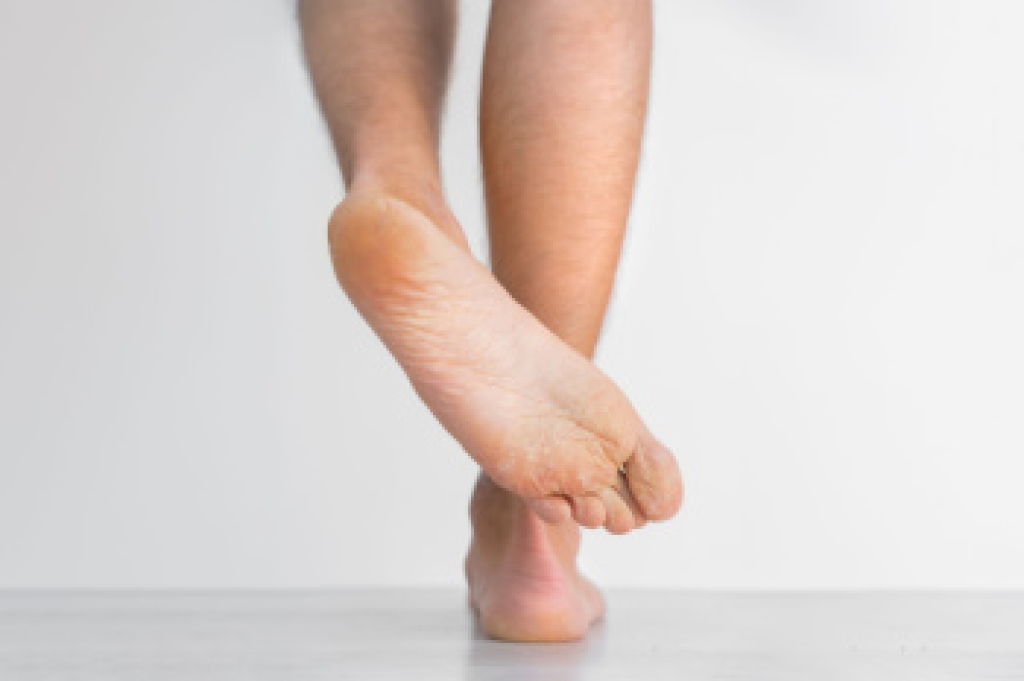
Athlete’s foot, also known as tinea pedis, is a common fungal infection that affects the skin on the feet. Despite its name, athlete’s foot can develop in anyone, not just athletes. The infection thrives in warm, moist environments and often spreads through direct contact with contaminated surfaces. Athlete’s foot commonly affects the skin between the toes, but it can also appear on the soles, sides, or tops of the feet. Symptoms may include itching, burning, redness, peeling skin, and cracking. In some cases, the affected skin may become dry, flaky, or painful, making everyday activities uncomfortable.


Because athlete’s foot is contagious, it can spread from one area of the foot to another or even to other parts of the body. If left untreated, the infection may worsen and increase the risk of secondary skin infections. Some people experience recurring athlete’s foot, especially if the underlying causes are not addressed. The condition can sometimes be mistaken for eczema, psoriasis, or other skin disorders, which is why an accurate diagnosis is important. Persistent foot itching, skin irritation, and changes in the appearance of the skin should not be ignored, particularly when symptoms continue to worsen or interfere with daily activities.


A podiatrist is a foot and ankle specialist who can diagnose and treat athlete’s foot and other foot skin conditions. During an evaluation, a podiatrist can determine whether symptoms are caused by a fungal infection or another condition requiring different treatment. Professional care may include prescription-strength antifungal medications and recommendations designed to help prevent the infection from returning. Early treatment can help reduce discomfort and limit the spread of the infection. If you are experiencing foot itching, peeling skin, redness, or persistent symptoms that may be related to athlete’s foot, it is suggested that you consult a podiatrist for an evaluation and appropriate treatment options.

Athlete’s Foot

Athlete’s foot is often an uncomfortable condition to experience. Thankfully, podiatrists specialize in treating athlete’s foot and offer the best treatment options. If you have any questions about athlete’s foot, consult with Dr. Alan J. Spector from Shore Podiatry. Our doctor will assess your condition and provide you with quality treatment.

What Is Athlete’s Foot?

Tinea pedis, more commonly known as athlete’s foot, is a non-serious and common fungal infection of the foot. Athlete’s foot is contagious and can be contracted by touching someone who has it or infected surfaces. The most common places contaminated by it are public showers, locker rooms, and swimming pools. Once contracted, it grows on feet that are left inside moist, dark, and warm shoes and socks.

Prevention

The most effective ways to prevent athlete’s foot include:

  • Thoroughly washing and drying feet
  • Avoid going barefoot in locker rooms and public showers
  • Using shower shoes in public showers
  • Wearing socks that allow the feet to breathe
  • Changing socks and shoes frequently if you sweat a lot

Symptoms

Athlete’s foot initially occurs as a rash between the toes. However, if left undiagnosed, it can spread to the sides and bottom of the feet, toenails, and if touched by hand, the hands themselves. Symptoms include:

  • Redness
  • Burning
  • Itching
  • Scaly and peeling skin

Diagnosis and Treatment

Diagnosis is quick and easy. Skin samples will be taken and either viewed under a microscope or sent to a lab for testing. Sometimes, a podiatrist can diagnose it based on simply looking at it. Once confirmed, treatment options include oral and topical antifungal medications.

If you have any questions, please feel free to contact our office located in Point Pleasant, NJ . We offer the newest diagnostic and treatment technologies for all your foot care needs.


Read more about Athlete's Foot

Gout Pain Can Be Managed

Gout is a painful, inflammatory form of arthritis. Those affected will typically feel an intense stiffness in the joints of their feet, particularly in the big toe. Schedule a visit to learn about how gout can be managed and treated.

How Diabetic Foot Infections Are Diagnosed

A diabetic foot infection can develop when a wound, crack in the skin, or ulcer allows harmful bacteria to enter deeper tissue. Early diagnosis is important because infection can spread quickly in people with diabetes, especially when nerve damage reduces pain awareness or when poor circulation slows healing. Evaluation begins with a detailed foot examination to look for redness, swelling, warmth, drainage, odor, skin breakdown, or tissue changes. A podiatrist will assess the depth of the wound, surrounding skin condition, circulation, and sensation in the foot. Imaging may be needed if there is concern that deeper structures or bones are involved. In some cases, laboratory testing or wound sampling helps identify the cause and guide treatment. Prompt recognition can help prevent serious complications and improve healing outcomes. If you have diabetes and notice a wound, swelling, or signs of infection in your foot, it is suggested that you visit a podiatrist as soon as possible.

Diabetic foot care is important in preventing foot ailments such as ulcers. If you are suffering from diabetes or have any other concerns about your feet, contact Dr. Alan J. Spector from Shore Podiatry. Our doctor can provide the care you need to keep you pain-free and on your feet.

Diabetic Foot Care

Diabetes affects millions of people every year. The condition can damage blood vessels in many parts of the body, especially the feet. Because of this, taking care of your feet is essential if you have diabetes, and having a podiatrist help monitor your foot health is highly recommended.

The Importance of Caring for Your Feet

  • Routinely inspect your feet for bruises or sores.
  • Wear socks that fit your feet comfortably.
  • Wear comfortable shoes that provide adequate support.

Patients with diabetes should have their doctor monitor their blood levels, as blood sugar levels play such a huge role in diabetic care. Monitoring these levels on a regular basis is highly advised.

It is always best to inform your healthcare professional of any concerns you may have regarding your feet, especially for diabetic patients. Early treatment and routine foot examinations are keys to maintaining proper health, especially because severe complications can arise if proper treatment is not applied.

If you have any questions, please feel free to contact our office located in Point Pleasant, NJ . We offer the newest diagnostic and treatment technologies for all your foot care needs.
Read more about Diabetic Foot Conditions

Types of Foot Arthritis and What They Mean

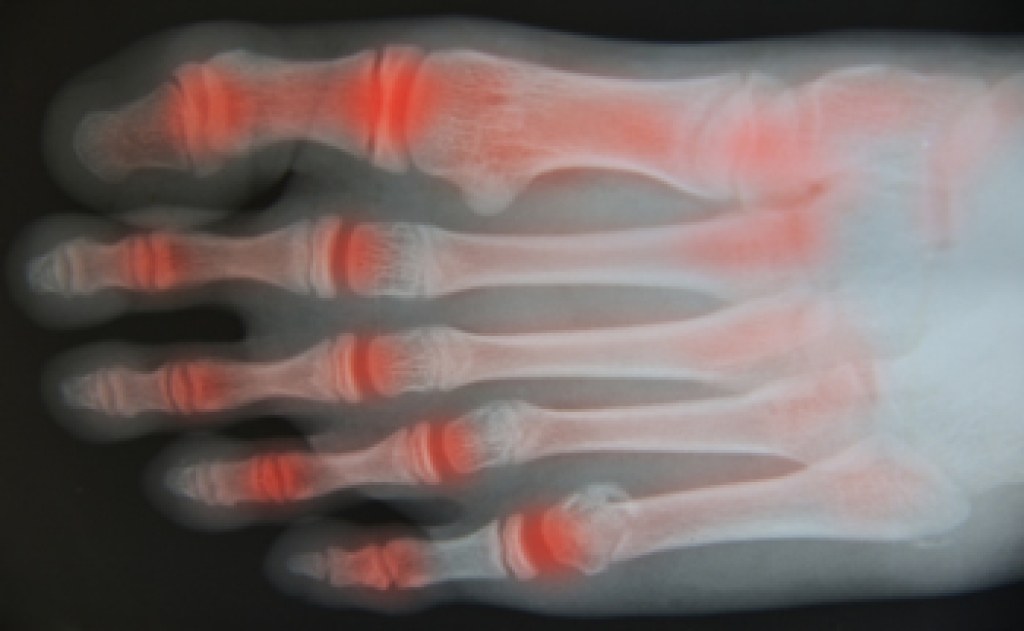
Foot arthritis is a condition that causes inflammation and joint damage in the feet, often leading to pain and limited movement. Osteoarthritis, or OA, develops over time as cartilage wears down, causing stiffness and aching that worsens with activity. Rheumatoid arthritis, or RA, is an autoimmune condition that leads to joint swelling, warmth, and deformity as the immune system attacks healthy tissue. Gout is a form of arthritis caused by a buildup of uric acid crystals, often creating sudden and intense pain, redness, and swelling in the joints. Each type can affect walking and daily comfort in different ways. A podiatrist can diagnose the specific type, provide imaging, and create a treatment plan to protect joint function and reduce pain. If you are experiencing joint pain in your feet,  it is strongly suggested that you consult a podiatrist for proper evaluation and appropriate relief and management solutions.

Arthritis can be a difficult condition to live with. If you are seeking treatment, contact Dr. Alan J. Spector from Shore Podiatry. Our doctor can provide the care you need to keep you pain-free and on your feet.

Arthritic Foot Care  

Arthritis is a term that is commonly used to describe joint pain.  The condition itself can occur to anyone of any age, race, or gender, and there are over 100 types of it.  Nevertheless, arthritis is more commonly found in women compared to men, and it is also more prevalent in those who are overweight. The causes of arthritis vary depending on which type of arthritis you have. Osteoarthritis for example, is often caused by injury, while rheumatoid arthritis is caused by a misdirected immune system.

Symptoms

  • Swelling
  • Pain
  • Stiffness
  • Decreased Range of Motion

Arthritic symptoms range in severity, and they may come and go. Some symptoms stay the same for several years but could potentially get worse with time. Severe cases of arthritis can prevent its sufferers from performing daily activities and make walking difficult.

Risk Factors

  • Occupation – Occupations requiring repetitive knee movements have been linked to osteoarthritis
  • Obesity – Excess weight can contribute to osteoarthritis development
  • Infection – Microbial agents can infect the joints and trigger arthritis
  • Joint Injuries – Damage to joints may lead to osteoarthritis
  • Age – Risk increases with age
  • Gender –Most types are more common in women
  • Genetics – Arthritis can be hereditary

If you suspect your arthritis is affecting your feet, it is crucial that you see a podiatrist immediately. Your doctor will be able to address your specific case and help you decide which treatment method is best for you.

If you have any questions please feel free to contact our office located in Point Pleasant, NJ . We offer the newest diagnostic tools and technology to treat your foot and ankle needs.

Read more about How to Care for Your Arthritic Foot

The Difference Between a Sprained or Broken Ankle

An ankle injury can be a sprain or a break, and the difference matters for care. A sprained ankle occurs when ligaments, which hold bones together, are stretched or torn after a twist or roll. A broken ankle means one or more bones in the joint are cracked or fully broken, from a twist or force. Both injuries include pain, swelling, and bruising, which makes them hard to tell apart. A break may cause pain, trouble standing, or a change in ankle shape. A sprain may feel unstable or sore along the soft tissues. A podiatrist can perform an exam and use X-rays or other imaging to confirm the injury. Treatment may include bracing, immobilization, or other methods to support healing and restore movement. If you have injured an ankle, it is suggested that you make an appointment with a podiatrist for a diagnosis and treatment.

Ankle pain can be caused by a number of problems and may be potentially serious. If you have ankle pain, consult with Dr. Alan J. Spector from Shore Podiatry. Our doctor will assess your condition and provide you with quality foot and ankle treatment.

Ankle pain is any condition that causes pain in the ankle. Due to the fact that the ankle consists of tendons, muscles, bones, and ligaments, ankle pain can come from a number of different conditions.

Causes

The most common causes of ankle pain include:

  • Types of arthritis (rheumatoid, osteoarthritis, and gout)
  • Ankle sprains
  • Broken ankles
  • Achilles tendonitis
  • Achilles tendon rupture
  • Stress fractures
  • Bursitis
  • Tarsal tunnel syndrome
  • Plantar fasciitis

Symptoms

Symptoms of ankle injury vary based upon the condition. Pain may include general pain and discomfort, swelling, aching, redness, bruising, burning or stabbing sensations, and/or loss of sensation.

Diagnosis

Due to the wide variety of potential causes of ankle pain, podiatrists will utilize a number of different methods to properly diagnose ankle pain. This can include asking for personal and family medical histories and of any recent injuries. Further diagnosis may include sensation tests, a physical examination, and potentially x-rays or other imaging tests.

Treatment

Just as the range of causes varies widely, so do treatments. Some more common treatments are rest, ice packs, keeping pressure off the foot, orthotics and braces, medication for inflammation and pain, and surgery.

If you have any questions please feel free to contact our office located in Point Pleasant, NJ . We offer the newest diagnostic tools and technology to treat your foot and ankle needs.

Read more about Ankle Pain
Connect with us
fb ico x goog ico blog ico big