producer-demonic
Point Pleasant
Review Us
Follow Us
Like Us

Blog

Understanding Hammertoe Deformity

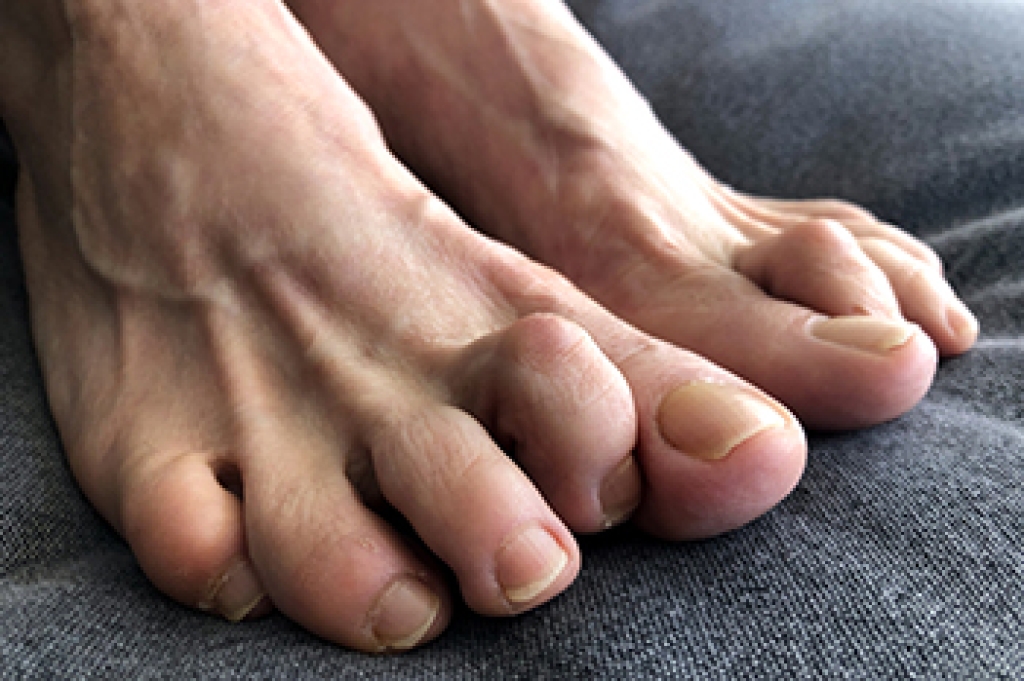
A hammertoe is a bending deformity that usually affects the second, third, or fourth toe, causing the middle joint to become stuck in a bent position. This can make the toe appear curled and may lead to discomfort, pressure, and difficulty wearing shoes. Hammertoes often develop due to muscle imbalance, foot structure, arthritis, or wearing shoes that are too tight or narrow. Corns or calluses may form on the top of the toe where it rubs against footwear. Early stages may allow for some flexibility, but over time, the toe can become rigid. Treatment includes wearing roomier shoes, using protective padding, or trying custom orthotics to improve alignment and reduce pressure. In more advanced cases, surgery may be considered to correct the deformity. If your toe is becoming painful, stiff, or difficult to move, it is suggested that you consult a podiatrist for proper care and guidance.

Hammertoe

Hammertoes can be a painful condition to live with. For more information, contact Dr. Alan J. Spector from Shore Podiatry. Our doctor will answer any of your foot- and ankle-related questions.

Hammertoe is a foot deformity that affects the joints of the second, third, fourth, or fifth toes of your feet. It is a painful foot condition in which these toes curl and arch up, which can often lead to pain when wearing footwear.

Symptoms

  • Pain in the affected toes
  • Development of corns or calluses due to friction
  • Inflammation
  • Redness
  • Contracture of the toes

Causes

Genetics – People who are genetically predisposed to hammertoe are often more susceptible

Arthritis – Because arthritis affects the joints in your toes, further deformities stemming from arthritis can occur

Trauma – Direct trauma to the toes could potentially lead to hammertoe

Ill-fitting shoes – Undue pressure on the front of the toes from ill-fitting shoes can potentially lead to the development of hammertoe

Treatment

Orthotics – Custom made inserts can be used to help relieve pressure placed on the toes and therefore relieve some of the pain associated with it

Medications – Oral medications such as anti-inflammatories or NSAIDs could be used to treat the pain and inflammation hammertoes causes. Injections of corticosteroids are also sometimes used

Surgery – In more severe cases where the hammertoes have become more rigid, foot surgery is a potential option

If you have any questions, please feel free to contact our office located in Point Pleasant, NJ . We offer the newest diagnostic and treatment technologies for all your foot care needs.

Read more about Hammertoe

Heel Pain Can Be Treated!

Do you suffer from heel pain when you get up in the morning? If so, you should seek professional help and have a proper diagnosis performed. Heel pain can be caused by several different foot-related conditions.

Causes of Heel Pain

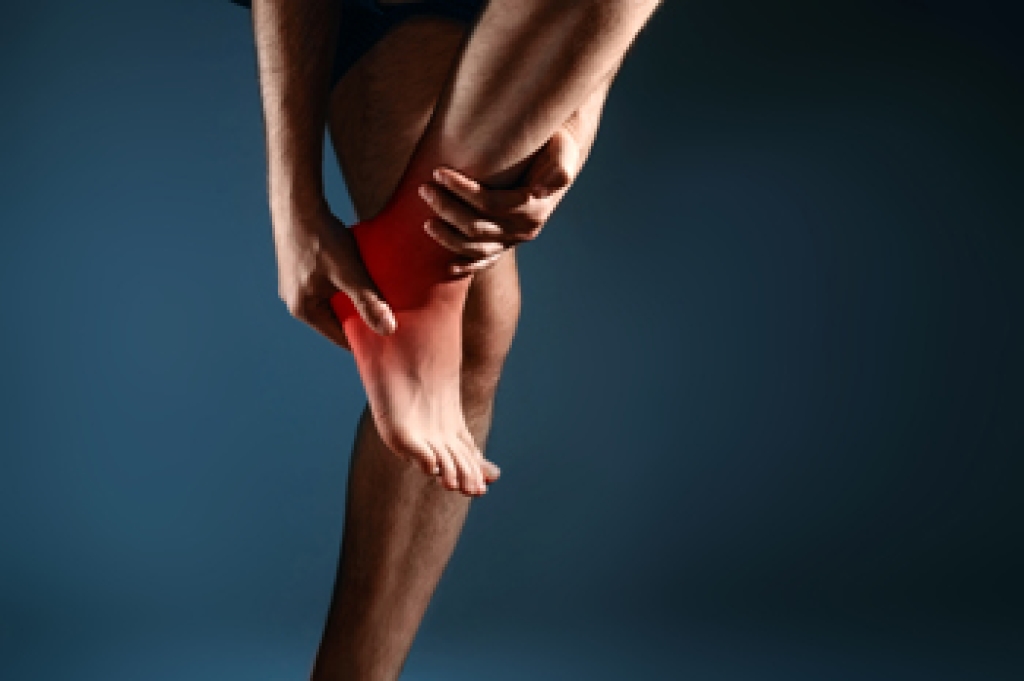
Constant heel pain can make standing or walking uncomfortable. One of the most frequent causes of heel pain is plantar fasciitis. This condition occurs when the thick band of tissue under the foot becomes irritated from overuse, common in runners. Another cause of heel pain is thinning of the natural padding under the heel, which reduces shock absorption and can lead to soreness. Tiny cracks in the heel bone, known as stress fractures, may also develop from repeated impact, especially in active people or those who stand for long periods. Some cases of heel pain are caused by pinched nerves near the ankle, which can create burning, tingling, or sharp pain. In rare situations, pain in the heel may actually start in the lower back and travel down the leg. A podiatrist can diagnose the source of the problem and provide appropriate medical care. Options include imaging, injections, orthotics, or surgery. If you are experiencing heel pain, it is suggested that you schedule an appointment with a podiatrist for an exam, diagnosis, and appropriate treatment.

Many people suffer from bouts of heel pain. For more information, contact Dr. Alan J. Spector of Shore Podiatry. Our doctor can provide the care you need to keep you pain-free and on your feet.

Causes of Heel Pain

Heel pain is often associated with plantar fasciitis. The plantar fascia is a band of tissues that extends along the bottom of the foot. A rip or tear in this ligament can cause inflammation of the tissue.

Achilles tendonitis is another cause of heel pain. Inflammation of the Achilles tendon will cause pain from fractures and muscle tearing. Lack of flexibility is also another symptom.

Heel spurs are another cause of pain. When the tissues of the plantar fascia undergo a great deal of stress, it can lead to ligament separation from the heel bone, causing heel spurs.

Why Might Heel Pain Occur?

  • Wearing ill-fitting shoes                
  • Wearing non-supportive shoes
  • Weight change           
  • Excessive running

Treatments

Heel pain should be treated as soon as possible for immediate results. Keeping your feet in a stress-free environment will help. If you suffer from Achilles tendonitis or plantar fasciitis, applying ice will reduce the swelling. Stretching before an exercise like running will help the muscles. Using all these tips will help make heel pain a condition of the past.

If you have any questions, please feel free to contact our office located in Point Pleasant, NJ . We offer the newest diagnostic and treatment technologies for all your foot care needs.
Read more about Heel Pain

Managing a Stubborn Ingrown Toenail

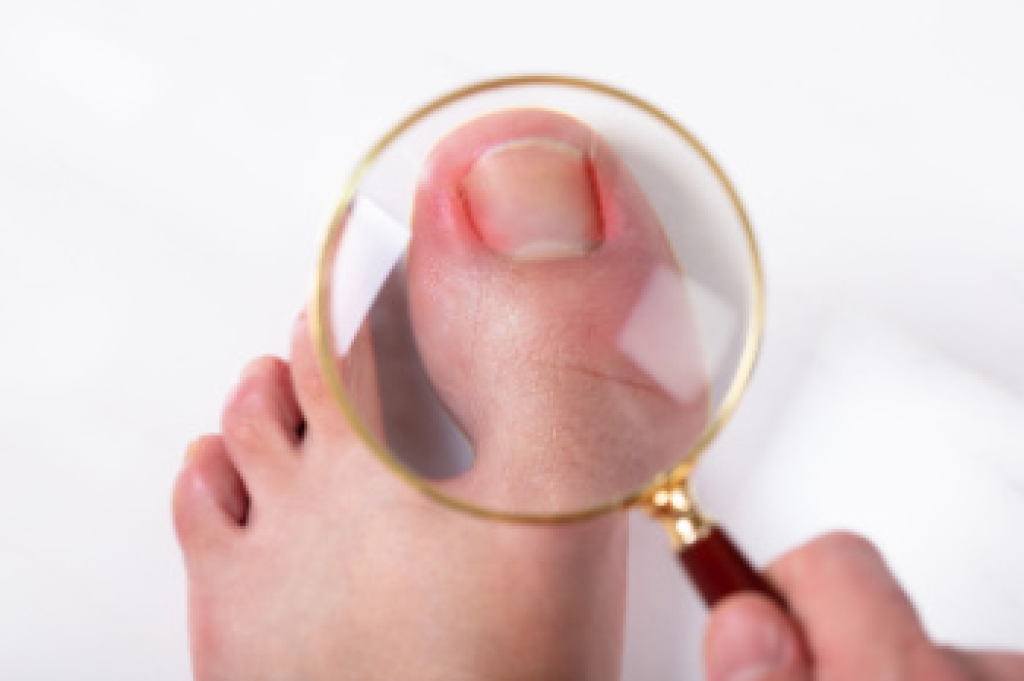
An ingrown toenail may seem minor at first but can quickly become painful and inflamed. It often starts when the side of the nail presses into the skin, causing swelling or tenderness. This can happen from cutting nails too short, wearing tight shoes, or an injury. Soaking your foot in warm water a few times a day may bring relief. Avoid picking at the nail or digging into the skin, as this can lead to infection. If pain continues or the area looks red and filled with fluid, medical care is often needed. A podiatrist can gently trim or remove the problem part of the nail. In severe or recurring cases, a simple procedure may prevent it from growing inward again. If your toe remains sore or swollen, it is suggested you see a podiatrist for further care.

Ingrown toenails may initially present themselves as a minor discomfort, but they may progress into an infection in the skin without proper treatment. For more information about ingrown toenails, contact Dr. Alan J. Spector of Shore Podiatry. Our doctor can provide the care you need to keep you pain-free and on your feet.

Ingrown Toenails

Ingrown toenails are caused when the corner or side of a toenail grows into the soft flesh surrounding it. They often result in redness, swelling, pain, and in some cases, infection. This condition typically affects the big toe and may recur if it is not treated properly.

Causes

  • Improper toenail trimming
  • Genetics
  • Improper shoe fitting
  • Injury from pedicures or nail picking
  • Abnormal gait
  • Poor hygiene

You are more likely to develop an ingrown toenail if you are obese, have diabetes, arthritis, or have any fungal infection in your nails. Additionally, people who have foot or toe deformities are at a higher risk of developing an ingrown toenail.

Symptoms

Some symptoms of ingrown toenails are redness, swelling, and pain. In rare cases, there may be a yellowish drainage coming from the nail.

Treatment

Ignoring an ingrown toenail can have serious complications. Infections of the nail border can progress to a deeper soft-tissue infection, which can then turn into a bone infection. You should always speak with your podiatrist if you suspect you have an ingrown toenail, especially if you have diabetes or poor circulation.

If you have any questions, please feel free to contact our office located in Point Pleasant, NJ . We offer the newest diagnostic and treatment technologies for all your foot care needs.
Read more about Ingrown Toenail Care

What Can Cause Poor Foot Circulation?

Poor foot circulation can result from several underlying health conditions and often leads to discomfort and more serious complications, if left untreated. Peripheral vascular disease is a common cause, where narrowed blood vessels reduce blood flow to the limbs, often leading to pain, numbness, or a cold sensation in the feet. Heart disease can also impair circulation by limiting the heart's ability to pump blood efficiently throughout the body, including the lower extremities. Raynaud's syndrome affects circulation by causing the small arteries in the feet to constrict, especially in response to cold or stress, leading to color changes and a feeling of coldness or tingling. Symptoms of poor circulation include swelling, cramping, slow healing wounds, and a heavy or fatigued feeling in the legs and feet. If you are experiencing any of the above symptoms, it is suggested that you schedule an appointment with a podiatrist who can offer effective relief and treatment solutions.

While poor circulation itself isn’t a condition; it is a symptom of another underlying health condition you may have. If you have any concerns with poor circulation in your feet contact Dr. Alan J. Spector of Shore Podiatry. Our doctor will treat your foot and ankle needs.

Poor Circulation in the Feet

Peripheral artery disease (PAD) can potentially lead to poor circulation in the lower extremities. PAD is a condition that causes the blood vessels and arteries to narrow. In a linked condition called atherosclerosis, the arteries stiffen up due to a buildup of plaque in the arteries and blood vessels. These two conditions can cause a decrease in the amount of blood that flows to your extremities, therefore resulting in pain.

Symptoms

Some of the most common symptoms of poor circulation are:

  • Numbness
  • Tingling
  • Throbbing or stinging pain in limbs
  • Pain
  • Muscle Cramps

Treatment for poor circulation often depends on the underlying condition that causes it. Methods for treatment may include insulin for diabetes, special exercise programs, surgery for varicose veins, or compression socks for swollen legs.

As always, see a podiatrist as he or she will assist in finding a regimen that suits you. A podiatrist can also prescribe you any needed medication. 

If you have any questions, please feel free to contact our office located in Point Pleasant, NJ . We offer the newest diagnostic and treatment technologies for all your foot care needs.

Read more about Causes Symptoms and Treatment for Poor Circulation in the Feet
Connect with us
fb ico x goog ico blog ico big