producer-demonic
Point Pleasant
Review Us
Follow Us
Like Us

Blog

Understanding Plantar Warts and Treatment Options

Plantar warts are small, rough growths that develop on the soles of the feet due to the human papillomavirus, often entering through tiny cuts in the skin. They may appear as thickened areas with black pinpoint dots, and can cause discomfort or pain while walking or standing. These warts are contagious and can spread in warm, moist environments such as locker rooms or around pools. Treatment depends on severity and persistence. Options include over-the-counter salicylic acid, cryotherapy to freeze the wart, or in-office procedures to remove the affected tissue. In some cases, multiple treatments are needed for full resolution. Avoiding barefoot exposure in public areas and keeping feet clean and dry can help prevent recurrence. If a plantar wart becomes painful or does not improve with treatment, it is suggested that you see a podiatrist for proper care.

Plantar warts can be very uncomfortable. If you need your feet checked, contact Dr. Alan J. Spector from Shore Podiatry. Our doctor will assist you with all of your foot and ankle needs.

About Plantar Warts

Plantar warts are the result of HPV, or human papillomavirus, getting into open wounds on the feet. They are mostly found on the heels or balls of the feet.

While plantar warts are generally harmless, those experiencing excessive pain or those suffering from diabetes or a compromised immune system require immediate medical care. Plantar warts are easily diagnosed, usually through scraping off a bit of rough skin or by getting a biopsy.

Symptoms

  • Lesions on the bottom of your feet, usually rough and grainy
  • Hard or thick callused spots
  • Wart seeds, which are small clotted blood vessels that look like little black spots
  • Pain, discomfort, or tenderness of your feet when walking or standing

Treatment

  • Freezing
  • Electric tool removal
  • Laser Treatment
  • Topical Creams (prescription only)
  • Over-the-counter medications

To help prevent developing plantar warts, avoid walking barefoot over abrasive surfaces that can cause cuts or wounds for HPV to get into. Avoiding direct contact with other warts, as well as not picking or rubbing existing warts, can help prevent the further spread of plantar warts. However, if you think you have developed plantar warts, speak to your podiatrist. He or she can diagnose the warts on your feet and recommend the appropriate treatment options.

If you have any questions, please feel free to contact our office located in Point Pleasant, NJ . We offer the newest diagnostic and treatment technologies for all your foot care needs.

Read more about Plantar Warts

Reminder: When Was the Last Time...?

Custom orthotics, or shoe inserts, should be periodically replaced. Orthotics must fit properly to give you the best results. Protect your feet and ankles!

Conservative to Surgical Treatments for Ingrown Toenails

Ingrown toenails can range from mildly painful to severely infected, but treatment options are highly effective. Early, conservative care often includes warm soaks, proper nail trimming, topical antibiotics, and protective padding to relieve pressure. In more persistent cases, a podiatrist may recommend partial nail avulsion, a minor procedure that removes the ingrown portion of the nail. For recurring or severe conditions, a matrixectomy, a procedure that permanently removes part of the nail root to stop regrowth, may be performed to permanently prevent that part of the nail from growing back. These in-office procedures are typically quick, safe, and provide long-term relief. Addressing the problem early helps prevent infection, swelling, and worsening pain. Whether your symptoms are new or ongoing, professional evaluation ensures the most appropriate treatment plan. Do not ignore the discomfort of an ingrown toenail. It is suggested that you schedule a visit with a podiatrist to receive expert care, and get back on your feet comfortably.

Ingrown toenails can become painful if they are not treated properly. For more information about ingrown toenails, contact Dr. Alan J. Spector of Shore Podiatry. Our doctor can provide the care you need to keep you pain-free and on your feet.

Ingrown Toenails

Ingrown toenails occur when a toenail grows sideways into the bed of the nail, causing pain, swelling, and possibly infection.

Causes

  • Bacterial infections
  • Improper nail cutting such as cutting it too short or not straight across
  • Trauma to the toe, such as stubbing, which causes the nail to grow back irregularly
  • Ill-fitting shoes that bunch the toes too close together
  • Genetic predisposition

Prevention

Wearing proper fitting shoes and using proper cutting techniques will also help decrease your risk of developing ingrown toenails.

Treatment

Ingrown toenails are a very treatable foot condition. In minor cases, soaking the affected area in salt or antibacterial soaps will not only help with the ingrown nail itself, but also help prevent any infections from occurring. In more severe cases, surgery is an option. In either case, speaking to your podiatrist about this condition will help you get a better understanding of specific treatment options that are right for you.

If you have any questions, please feel free to contact our office located in Point Pleasant, NJ . We offer the newest diagnostic and treatment technologies for all your foot care needs.

Read more about Ingrown Toenail Care

Common Ankle Injuries from Cycling

Ankle injuries from cycling often occur when a rider loses balance and the foot forcefully hits the ground, causing the ankle to roll. The most common injuries are sprains and fractures. A sprain is a stretching or tearing of ligaments, while a fracture is a break in the bone. Symptoms of sprains include swelling, bruising, and limited movement, while fractures often cause severe pain, inability to bear weight, and possible deformity. Risk factors include improper footwear, lack of ankle support, and uneven terrain. These injuries can interfere with mobility and daily activities, if not treated properly. A podiatrist can diagnose the injury and provide appropriate care to promote healing. If you have ankle pain from cycling, it is suggested that you consult a podiatrist who can offer effective relief and treatment solutions.

Ankle and foot injuries are common among athletes and in many sports. They can be caused by several problems and may be potentially serious. If you are feeling pain or think you were injured in a sporting event or when exercising, consult with Dr. Alan J. Spector from Shore Podiatry. Our doctor will assess your condition and provide you with quality foot and ankle treatment.

Common Injuries

The most common injuries that occur in sporting activities include:

  • Achilles Tendonitis
  • Achilles Tendon Rupture
  • Ankle Sprains
  • Broken Foot
  • Plantar Fasciitis
  • Stress Fractures
  • Turf Toe

Symptoms

Symptoms vary depending upon the injury and in some cases, there may be no symptoms at all. However, in most cases, some form of symptom is experienced. Pain, aching, burning, bruising, tenderness, tightness or stiffness, sensation loss, difficulty moving, and swelling are the most common symptoms.

Treatment

Just as symptoms vary depending upon the injury, so do treatment options. A common treatment method is known as the RICE method. This method involves rest, applying ice, compression and elevating the afflicted foot or ankle. If the injury appears to be more serious, surgery might be required, such as arthroscopic or reconstructive surgery. Lastly, rehabilitation or therapy might be needed to gain full functionality in the afflicted area. Any discomfort experienced by an athlete must be evaluated by a licensed, reputable medical professional.  

If you have any questions please contact our office located in Point Pleasant, NJ . We offer the newest diagnostic and treatment technologies for all your foot and ankle needs.

Read more about Sports Related Foot and Ankle Injuries

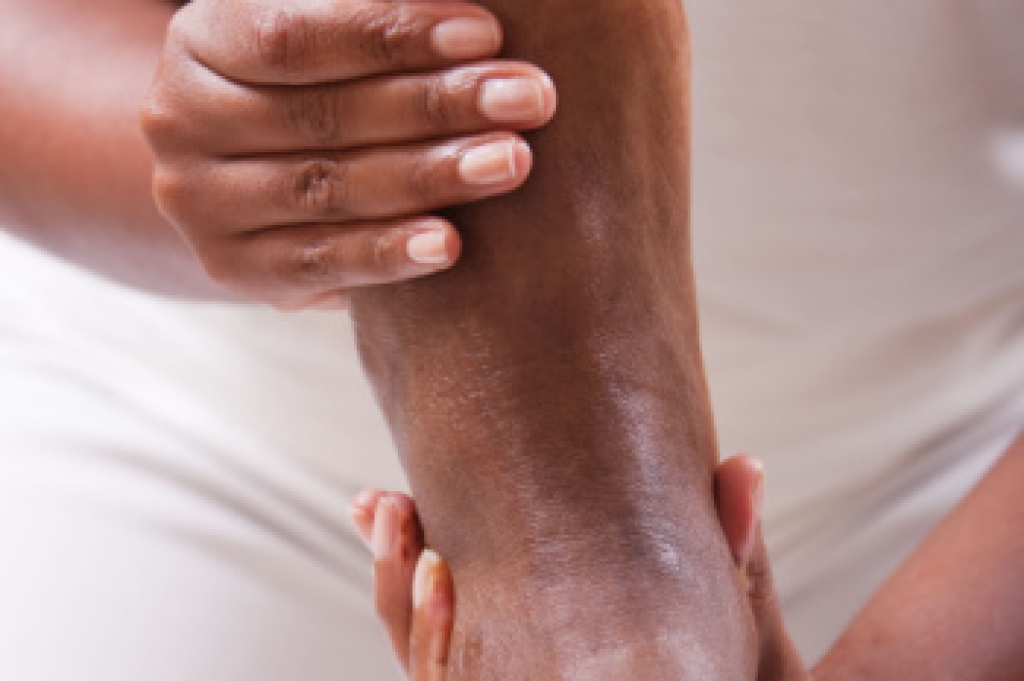
Simple Ways to Check Your Feet and Care for Them Daily

Paying attention to your feet can help catch problems early and keep you comfortable. Start by looking at your feet each day. Check for color changes, swelling, cracks, or areas that feel warm or tender. Notice any thickened nails or changes in shape. Use a mirror, if needed, to see the bottoms. Clean your feet with mild soap and warm water, then dry them well, especially between the toes. Apply moisturizer to prevent dryness, but avoid the spaces between toes. Trim nails straight across and wear well-fitting shoes that do not rub or pinch. Additionally, replace worn footwear and choose socks that keep feet dry. Staying active can support circulation and overall foot health. If you notice ongoing changes or have foot discomfort, it is suggested that you schedule a visit with a podiatrist for a proper evaluation and appropriate care plan.

Everyday foot care is very important to prevent infection and other foot ailments. If you need your feet checked, contact Dr. Alan J. Spector from Shore Podiatry. Our doctor can provide the care you need to keep you pain-free and on your feet.

Everyday Foot Care

Often, people take care of their bodies, face and hair more so than they do for their feet. But the feet are a very important aspect of our bodies, and one that we should pay more attention to. Without our feet, we would not be able to perform most daily tasks.

It is best to check your feet regularly to make sure there are no new bruises or cuts that you may not have noticed before. For dry feet, moisturizer can easily be a remedy and can be applied as often as necessary to the affected areas. Wearing shoes that fit well can also help you maintain good foot health, as well as making it easier to walk and do daily activities without the stress or pain of ill-fitting shoes, high heels, or even flip flops. Wearing clean socks with closed shoes is important to ensure that sweat and bacteria do not accumulate within the shoe. Clean socks help to prevent Athlete’s foot, fungi problems, bad odors, and can absorb sweat.

If you have any questions, please feel free to contact our office located in Point Pleasant, NJ . We offer the newest diagnostic and treatment technologies for all your foot care needs.
Read more about Everyday Foot Care
Connect with us
fb ico x goog ico blog ico big