producer-demonic
Point Pleasant
Review Us
Follow Us
Like Us

Blog

What Shoes Should I Wear If I Work on My Feet?

When working in a standing position all day, it is extremely important to wear the right shoes. Look for shoes that do not change the shape of your foot. These shoes should have a wide toe box that lets you move your toes and should fit your foot properly. Shoes with laces that can be adjusted for a firmer or looser fit are suggested. You should also look for shoes that have arch support to cushion your feet and reduce strain. When it comes to heels, choose shoes that have a firm grip on the heel to prevent instability and soreness. The shoes should not be completely flat, as this can strain the Achilles tendon. However, thin heels or heels higher than approximately two inches are not suggested. Instead, look for shoes that have a low heel with a broad base. For more information about appropriate footwear, please consult with a podiatrist.

While working on the feet, it is important to take the proper care of them. For more information about working on your feet, contact Dr. Alan J. Spector from Shore Podiatry. Our doctor will treat your foot and ankle needs.

Working on Your Feet

Standing on your feet for long periods of time can cause stress and pain in your feet. Your whole body may experience change in terms of posture, back pain, bunions, callouses and or plantar warts. There are ways to avoid these conditions with proper foot care, smart choices and correct posture.

Positive Changes

Negative heeled shoe – Choosing this shoe type places the heel slightly lower than the ball of the foot. These are great for overall foot health. Find shoes that fit you correctly.

Go barefoot – Our feet were not designed to be enclosed for all hours of the day. Try to periodically expose your feet to air.

Eliminate Pain

Foot Exercises – Performing simple exercises, incorporating yoga and doing stretches are beneficial. This will allow increased blood flow to the area and muscles of the foot.

Achilles tendon – Stretching the foot out flat on the floor will relax the calf muscles and tendon. These exercises can be performed almost anywhere. Make sure you add these exercises to your daily regimen. 

With a little bit of this information and knowing more about foot health, you will notice changes. Foot stretches and proper footwear will help with pain and prevent further issues.

If you have any questions please contact our office located in Point Pleasant, NJ . We offer the newest diagnostic and treatment technologies for all your foot and ankle needs.

Read more about How to Handle a Long Work Day on Your Feet

Are You Suffering From Ingrown Toenails?

If left untreated, an ingrown toenail can lead to more serious concerns, such as an infection. Knowing proper nail care can help in the prevention of an ingrown toenail. Give us a call, and get treated!

Why Do Cracked Heels Occur?

Cracked heels are a common foot problem. The skin on the heels can become thick and can begin to peel and crack, possible causing severe pain and discomfort. There are specific reasons why cracked heels may develop. These can consist of having a thyroid disorder, fungal infection, or diabetes. Additionally, patients who are overweight, or have skin conditions including psoriasis or eczema may be prone to getting cracked heels. Cracked heels may be prevented by wearing shoes that have a closed back, and it may help to refrain from standing on hard surfaces for the majority of the day. There are many types of treatments for cracked heels, and it is suggested that you seek the counsel of a podiatrist who can choose the correct treatment for you.

If the skin on your feet starts to crack, you may want to see a podiatrist to find treatment. If you have any concerns, contact Dr. Alan J. Spector from Shore Podiatry. Our doctor can provide the care you need to keep you pain-free and on your feet.

Cracked Heels

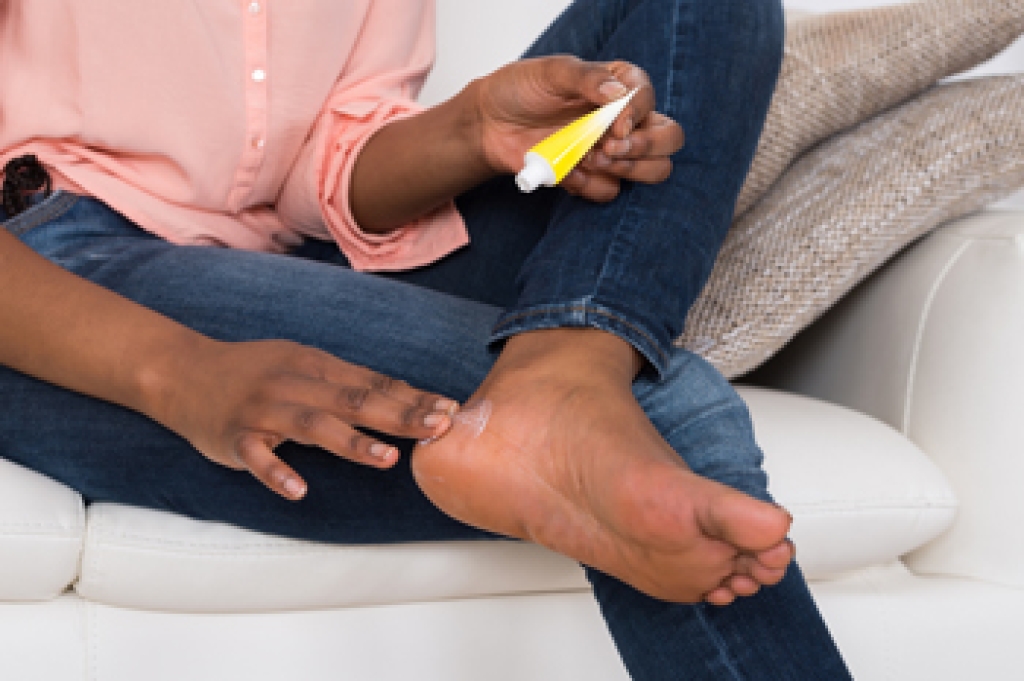
It is important to moisturize your cracked heels in order to prevent pain, bleeding, and infection. The reason cracked heels form is because the skin on the foot is too dry to support the immense pressure placed on them. When the foot expands, the dry skin on the foot begins to split.

Ways to Help Heal Them

  • Invest in a good foot cream
  • Try Using Petroleum Jelly
  • Ease up on Soaps
  • Drink Plenty of Water

Ways to Prevent Cracked Heels

  • Moisturize After Showering
  • Skip a Shower
  • Keep Shower Water Lukewarm
  • Don’t Scrub Your Feet

If you are unsure how to proceed in treating cracked heels, seek guidance from a podiatrist. Your doctor will help you with any questions or information you may need. 

If you have any questions, please feel free to contact our office located in Point Pleasant, NJ . We offer the newest diagnostic and treatment technologies for all your foot care needs.

Read more about Solutions for Cracked Heels

What Orthotics Are Right for Me?

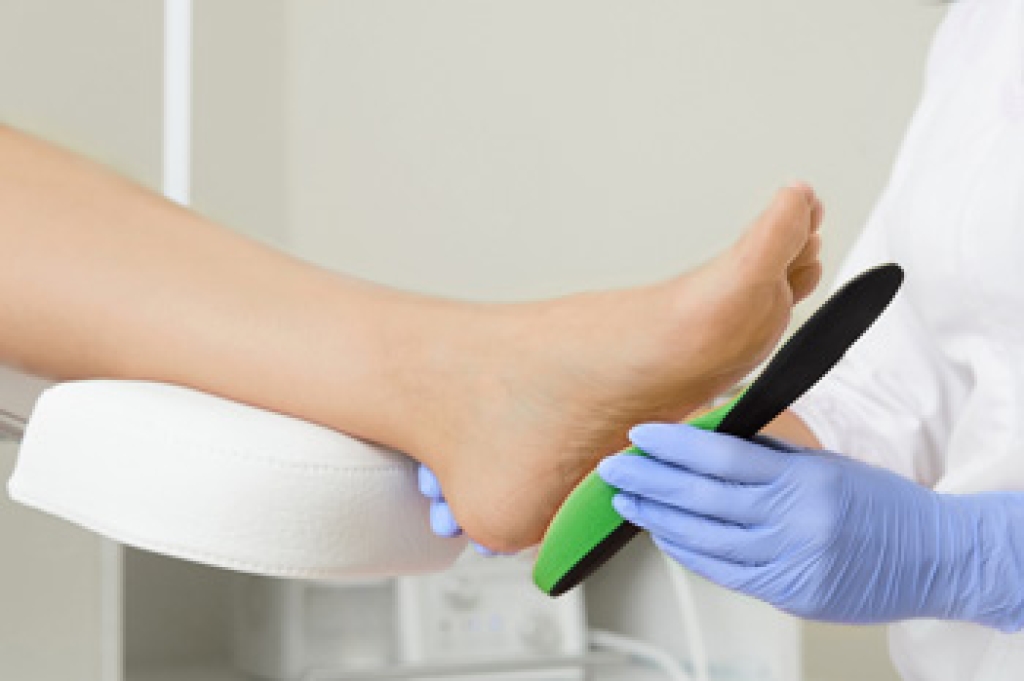
Orthotics are shoe inserts made in order to relieve pain resulting from a foot condition such as corns and calluses, tendonitis, bunions, heel pain, or recurring stress fractures. Orthotics can be made of a variety of materials that include rubber, plastic, leather or even metal. While many orthotics can be purchased over the counter, they can also be custom made by a podiatrist for a specific issue. A podiatrist will account for the function and structure of the foot as well as its biomechanics to help determine what the best fit is for each patient. Patients who are interested in getting orthotics should consult with their podiatrist, who will be able to either prescribe custom orthotics or suggest which over the counter orthotics will work best. 

If you are having discomfort in your feet and would like to try orthotics, contact Dr. Alan J. Spector from Shore Podiatry. Our doctor can provide the care you need to keep you pain-free and on your feet.

What Are Orthotics?

Orthotics are inserts you can place into your shoes to help with a variety of foot problems such as flat feet or foot pain. Orthotics provide relief and comfort for minor foot and heel pain but can’t correct serious biomechanical problems in your feet.

Over-the-Counter Inserts

Orthotics come in a wide variety of over-the-counter inserts that are used to treat foot pain, heel pain, and minor problems. For example, arch supports can be inserted into your shoes to help correct overarched or flat feet, while gel insoles are often used because they provide comfort and relief from foot and heel pain by alleviating pressure.

Prescription Orthotics

If over-the-counter inserts don’t work for you or if you have a more severe foot concern, it is possible to have your podiatrist prescribe custom orthotics. These high-quality inserts are designed to treat problems such as abnormal motion, plantar fasciitis, and severe forms of heel pain. They can even be used to help patients suffering from diabetes by treating foot ulcers and painful calluses and are usually molded to your feet individually, which allows them to provide full support and comfort.

If you are experiencing minor to severe foot or heel pain, it’s recommended to speak with your podiatrist about the possibilities of using orthotics. A podiatrist can determine which type of orthotic is right for you and allow you to take the first steps towards being pain-free.

If you have any questions, please feel free to contact our office located in Point Pleasant, NJ . We offer the newest diagnostic and treatment technologies for all your foot care needs.

Read more about Foot Orthotics

Being Sensible About Non-Sensible Shoes

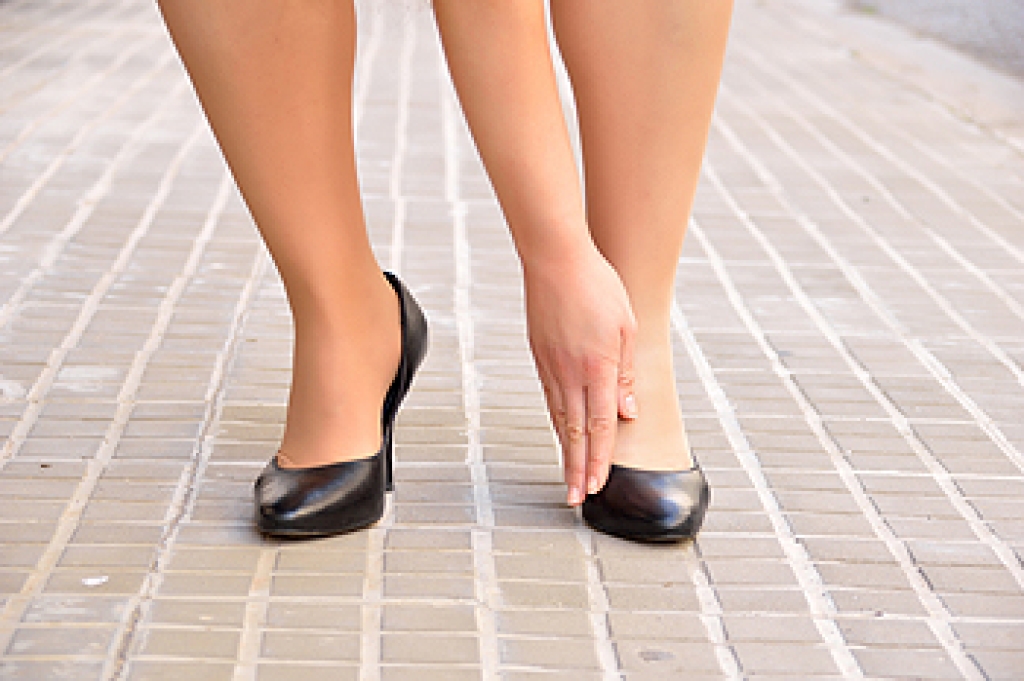
High heels look great and can make legs look longer and more attractive. However, wearing them every day, year after year, can be painful and even damaging—causing problems such as weakened ankles, bunions, hammertoe, plantar fasciitis, and Morton’s neuroma. However, there are sensible steps you can take to lessen the impact high-heeled shoes have on your feet and overall health. These steps can include doing exercises that strengthen your arch and ankle muscles, limiting heel height to three inches, and alternating between flats and heels. To keep your feet healthy, consult with a podiatrist who may be able to offer additional tips, create custom orthotics for your shoes to provide adequate support and weight distribution, or even treat any issues that may have already begun to develop due to high heels.

High heels have a history of causing foot and ankle problems. If you have any concerns about your feet or ankles, contact Dr. Alan J. Spector from Shore Podiatry. Our doctor can provide the care you need to keep you pain-free and on your feet.

Effects of High Heels on the Feet

High heels are popular shoes among women because of their many styles and societal appeal.  Despite this, high heels can still cause many health problems if worn too frequently.

Which Parts of My Body Will Be Affected by High Heels?

  • Ankle Joints
  • Achilles Tendon – May shorten and stiffen with prolonged wear
  • Balls of the Feet
  • Knees – Heels cause the knees to bend constantly, creating stress on them
  • Back – They decrease the spine’s ability to absorb shock, which may lead to back pain.  The vertebrae of the lower back may compress.

What Kinds of Foot Problems Can Develop from Wearing High Heels?

  • Corns
  • Calluses
  • Hammertoe
  • Bunions
  • Morton’s Neuroma
  • Plantar Fasciitis

How Can I Still Wear High Heels and Maintain Foot Health?

If you want to wear high heeled shoes, make sure that you are not wearing them every day, as this will help prevent long term physical problems.  Try wearing thicker heels as opposed to stilettos to distribute weight more evenly across the feet.  Always make sure you are wearing the proper shoes for the right occasion, such as sneakers for exercising.  If you walk to work, try carrying your heels with you and changing into them once you arrive at work.  Adding inserts to your heels can help cushion your feet and absorb shock. Full foot inserts or metatarsal pads are available. 

If you have any questions, please feel free to contact our office located in Point Pleasant, NJ . We offer the newest diagnostic and treatment technologies for all your foot care needs.

Read more about Effect of High Heels on the Feet
Connect with us
fb ico x goog ico blog ico big