producer-demonic
Point Pleasant
Review Us
Follow Us
Like Us

Blog

Types of Foot Issues

Blisters, calluses, and cracked heels are common foot conditions that can cause significant discomfort during daily activities. Blisters form when friction from shoes or repeated movement causes fluid to collect under the skin. They may appear as raised, tender areas that feel sensitive when walking. Callouses develop when the skin thickens in response to pressure or friction, often on the ball of the foot or heel. While they protect the skin, they can become painful if they grow too thick. Cracked heels occur when dry skin splits along the heel, sometimes forming deep fissures that may sting or bleed. These problems are often linked to prolonged standing, poorly fitting shoes, dry skin, or uneven pressure on the foot. A podiatrist can evaluate the foot to determine why these conditions are developing and whether underlying issues, such as foot structure or walking patterns, are contributing to the pain. Treatment may include professional skin care, supportive footwear, and targeted exercises that improve pressure balance. If you have ongoing foot pain, it is suggested that you make an appointment with a podiatrist for a diagnosis and treatment.

Foot Pain

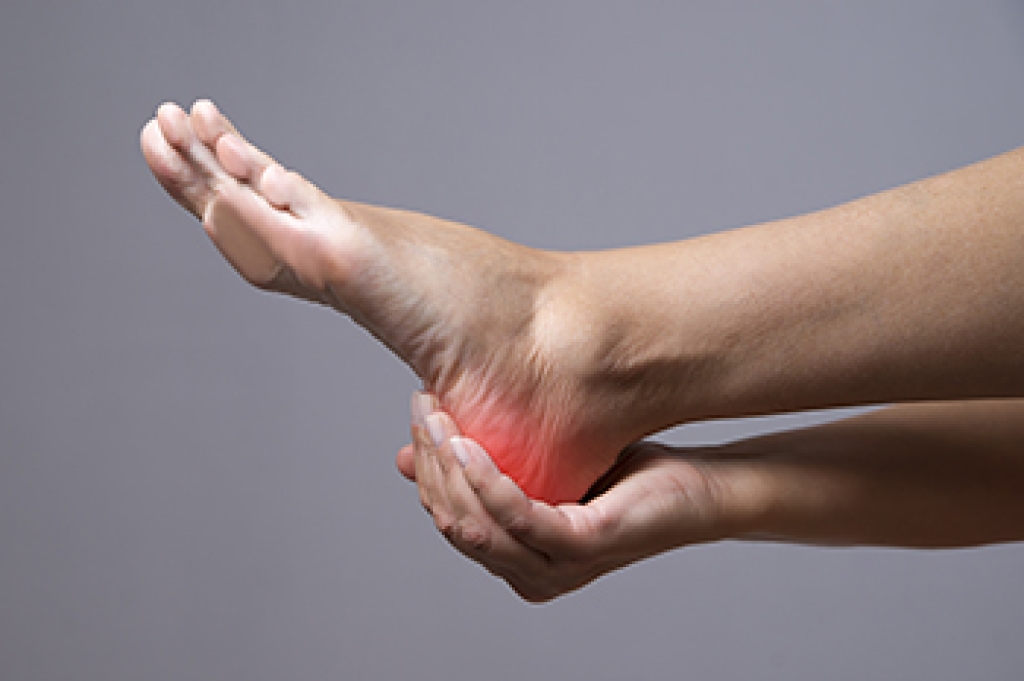
Foot pain can be extremely painful and debilitating. If you have a foot pain, consult with Dr. Alan J. Spector from Shore Podiatry. Our doctor will assess your condition and provide you with quality foot and ankle treatment.

Causes

Foot pain is a very broad condition that could be caused by one or more ailments. The most common include:

  • Bunions
  • Hammertoes
  • Plantar Fasciitis
  • Bone Spurs
  • Corns
  • Tarsal Tunnel Syndrome
  • Ingrown Toenails
  • Arthritis (such as Gout, Rheumatoid, and Osteoarthritis)
  • Flat Feet
  • Injury (from stress fractures, broken toe, foot, ankle, Achilles tendon ruptures, and sprains)
  • And more

Diagnosis

To figure out the cause of foot pain, podiatrists utilize several different methods. This can range from simple visual inspections and sensation tests to X-rays and MRI scans. Prior medical history, family medical history, and any recent physical traumatic events will all be taken into consideration for a proper diagnosis.

Treatment

Treatment depends upon the cause of the foot pain. Whether it is resting, staying off the foot, or having surgery; podiatrists have a number of treatment options available for foot pain.

If you have any questions, please feel free to contact our office located in Point Pleasant, NJ . We offer the newest diagnostic and treatment technologies for all your foot care needs.
Read more about Foot Pain

Understanding the Main Types of Diabetic Foot Ulcers

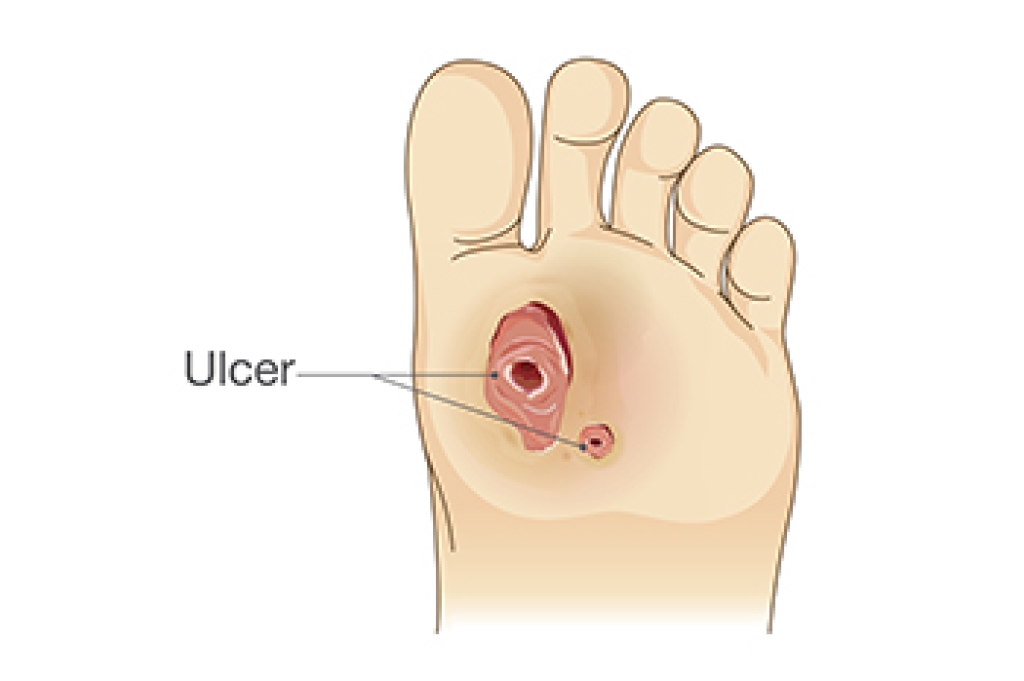
Diabetic foot ulcers are open wounds that can form when long-term diabetes damages nerves or reduces circulation in the lower extremities. These wounds are often grouped into three categories based on the main cause. Purely neuropathic ulcers develop when nerve damage reduces feeling in the foot. Because sensation is limited, a person may not notice pressure, rubbing, or small injuries, allowing the skin to break down over time. Purely ischemic ulcers are related to poor blood flow. When circulation to the feet is reduced, the skin and tissues receive less oxygen and nutrients, which makes healing slow and increases the risk of tissue damage. Mixed neuroischemic ulcers involve both nerve damage and poor circulation. This combination can make injuries harder to detect and more difficult for the body to repair. If you have diabetes and a sore on the foot does not heal normally or becomes painful or swollen, it is suggested that you promptly see a podiatrist for a proper diagnosis and appropriate treatment.

Diabetic foot care is important in preventing foot ailments such as ulcers. If you are suffering from diabetes or have any other concerns about your feet, contact Dr. Alan J. Spector from Shore Podiatry. Our doctor can provide the care you need to keep you pain-free and on your feet.

Diabetic Foot Care

Diabetes affects millions of people every year. The condition can damage blood vessels in many parts of the body, especially the feet. Because of this, taking care of your feet is essential if you have diabetes, and having a podiatrist help monitor your foot health is highly recommended.

The Importance of Caring for Your Feet

  • Routinely inspect your feet for bruises or sores.
  • Wear socks that fit your feet comfortably.
  • Wear comfortable shoes that provide adequate support.

Patients with diabetes should have their doctor monitor their blood levels, as blood sugar levels play such a huge role in diabetic care. Monitoring these levels on a regular basis is highly advised.

It is always best to inform your healthcare professional of any concerns you may have regarding your feet, especially for diabetic patients. Early treatment and routine foot examinations are keys to maintaining proper health, especially because severe complications can arise if proper treatment is not applied.

If you have any questions, please feel free to contact our office located in Point Pleasant, NJ . We offer the newest diagnostic and treatment technologies for all your foot care needs.

Read more about How to Care for Diabetic Foot

Understanding the Different Causes of Pain Beneath the Heel

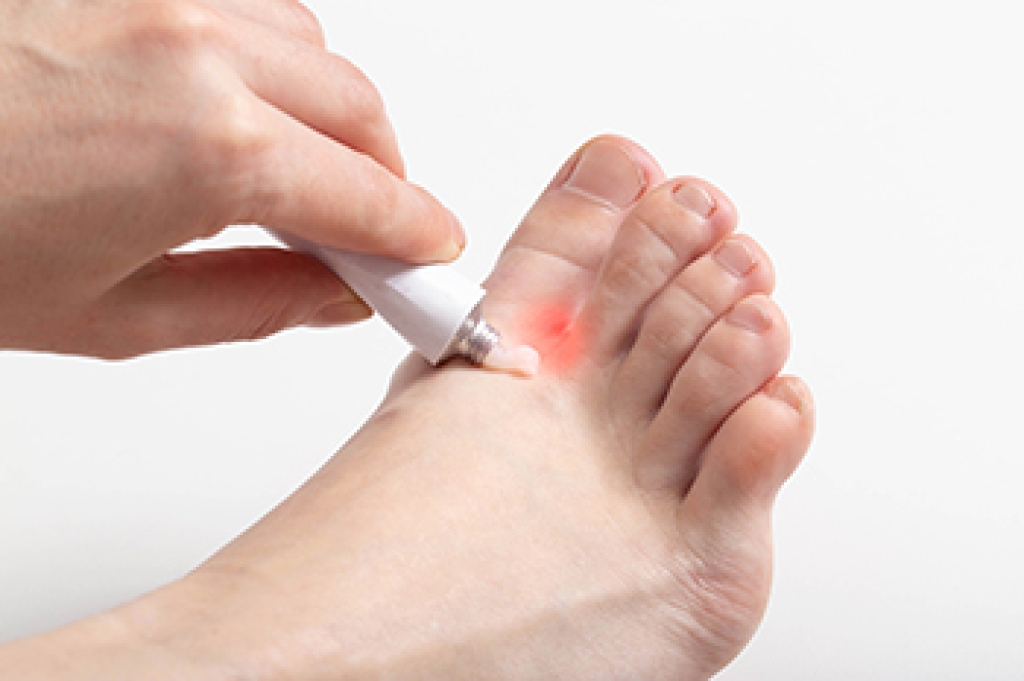
Pain under the heel is a frequent complaint and can stem from several conditions. The most common cause is plantar fasciitis involving irritation of the thick band of tissue that supports the arch. This often leads to sharp discomfort with the first steps in the morning, or after long periods of rest. Tenderness is usually felt along the bottom of the heel. Another source may be a stress injury to the heel bone. This type of pain often worsens with activity, and may feel deeper or more constant. Nerve irritation can also create burning, tingling, or shooting sensations that travel into the arch. In some cases, thinning of the natural fat pad under the heel reduces cushioning and leads to soreness when standing on hard surfaces. Because symptoms can overlap, a careful examination is important. If you have ongoing pain beneath your heel, it is suggested that you see a podiatrist for a proper diagnosis and appropriate treatment.

Many people suffer from bouts of heel pain. For more information, contact Dr. Alan J. Spector of Shore Podiatry. Our doctor can provide the care you need to keep you pain-free and on your feet.

Causes of Heel Pain

Heel pain is often associated with plantar fasciitis. The plantar fascia is a band of tissues that extends along the bottom of the foot. A rip or tear in this ligament can cause inflammation of the tissue.

Achilles tendonitis is another cause of heel pain. Inflammation of the Achilles tendon will cause pain from fractures and muscle tearing. Lack of flexibility is also another symptom.

Heel spurs are another cause of pain. When the tissues of the plantar fascia undergo a great deal of stress, it can lead to ligament separation from the heel bone, causing heel spurs.

Why Might Heel Pain Occur?

  • Wearing ill-fitting shoes                
  • Wearing non-supportive shoes
  • Weight change           
  • Excessive running

Treatments

Heel pain should be treated as soon as possible for immediate results. Keeping your feet in a stress-free environment will help. If you suffer from Achilles tendonitis or plantar fasciitis, applying ice will reduce the swelling. Stretching before an exercise like running will help the muscles. Using all these tips will help make heel pain a condition of the past.

If you have any questions, please feel free to contact our office located in Point Pleasant, NJ . We offer the newest diagnostic and treatment technologies for all your foot care needs.
Read more about Heel Pain

Do Your Child's Feet Hurt?

Have your child's feet been examined lately? Healthy feet are happy feet. If your child is complaining of foot pain, it may be a sign of underlying problems.

Athlete's Foot and Why It Happens

Athlete's foot is a common fungal infection that affects the skin between the toes and sometimes spreads to the soles of the feet. It often presents as an itchy, scaly, red rash that can cause discomfort and cracking of the skin. This condition develops when fungi thrive in warm, damp environments such as the inside of shoes or boots, wet clothing, locker room floors, or public bathrooms. Risk factors include excessive sweating, wearing tight or non-breathable footwear, and shared communal spaces. A podiatrist can diagnose the infection, recommend antifungal treatments, and provide guidance on footwear and hygiene to prevent recurrence. If you have symptoms of athlete’s foot, it is suggested that you promptly consult a podiatrist who can begin early treatment, which can include prescribed medication.

Athlete’s Foot

Athlete’s foot is often an uncomfortable condition to experience. Thankfully, podiatrists specialize in treating athlete’s foot and offer the best treatment options. If you have any questions about athlete’s foot, consult with Dr. Alan J. Spector from Shore Podiatry. Our doctor will assess your condition and provide you with quality treatment.

What Is Athlete’s Foot?

Tinea pedis, more commonly known as athlete’s foot, is a non-serious and common fungal infection of the foot. Athlete’s foot is contagious and can be contracted by touching someone who has it or infected surfaces. The most common places contaminated by it are public showers, locker rooms, and swimming pools. Once contracted, it grows on feet that are left inside moist, dark, and warm shoes and socks.

Prevention

The most effective ways to prevent athlete’s foot include:

  • Thoroughly washing and drying feet
  • Avoid going barefoot in locker rooms and public showers
  • Using shower shoes in public showers
  • Wearing socks that allow the feet to breathe
  • Changing socks and shoes frequently if you sweat a lot

Symptoms

Athlete’s foot initially occurs as a rash between the toes. However, if left undiagnosed, it can spread to the sides and bottom of the feet, toenails, and if touched by hand, the hands themselves. Symptoms include:

  • Redness
  • Burning
  • Itching
  • Scaly and peeling skin

Diagnosis and Treatment

Diagnosis is quick and easy. Skin samples will be taken and either viewed under a microscope or sent to a lab for testing. Sometimes, a podiatrist can diagnose it based on simply looking at it. Once confirmed, treatment options include oral and topical antifungal medications.

If you have any questions, please feel free to contact our office located in Point Pleasant, NJ . We offer the newest diagnostic and treatment technologies for all your foot care needs.

Read more about How to Deal with Athlete's Foot
Connect with us
fb ico x goog ico blog ico big