Have your child's feet been examined lately? Healthy feet are happy feet. If your child is complaining of foot pain, it may be a sign of underlying problems.
Have your child's feet been examined lately? Healthy feet are happy feet. If your child is complaining of foot pain, it may be a sign of underlying problems.
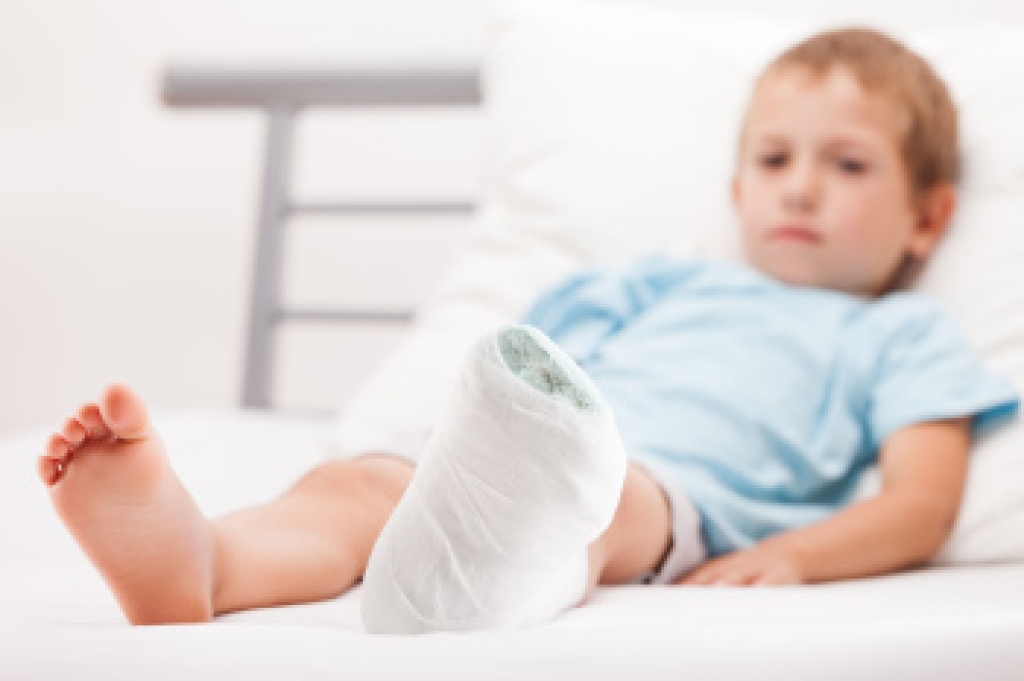
A broken ankle can affect one or more bones in a child’s ankle. It can happen after a fall, a sports collision, or an awkward landing. Symptoms include sudden pain, swelling, and bruising. A child may struggle to stand or put weight on the foot. Because children’s bones are still developing, a fracture can involve a growth plate. This softer area near a bone’s end helps it grow. Growth-plate injuries need prompt attention because they can affect how the bone develops.
It is not always easy to tell a broken ankle from a sprain. Both injuries can cause pain, swelling, and difficulty walking. A podiatrist will ask how the injury happened and examine the ankle for tenderness or changes in shape. X-rays can show the location of a break and whether the bones have shifted. Other imaging tests can provide more detail when a fracture is difficult to see. Treatment depends on the child’s age, the type of break, and the position of the bones. A cast or walking boot can keep the ankle still while it heals. The podiatrist may also limit weight-bearing and monitor the bone with follow-up X-rays.
Some fractures must be gently moved back into alignment before the ankle is placed in a cast. Surgery may be needed when bones are badly displaced, the ankle is unstable, or the skin has been damaged. The podiatrist can explain the safest treatment and check healing at follow-up visits. These visits are especially important when a growth plate is involved. After the bone heals, the podiatrist can guide a gradual return to walking, school activities, and sports. Returning too soon can raise the risk of another injury. Protective bracing may be recommended when the child becomes active again. If your child has broken their ankle, it is suggested that you make an immediate appointment with a podiatrist for effective treatment solutions.
Broken ankles need immediate treatment. If you are seeking treatment, contact Dr. Alan J. Spector from Shore Podiatry. Our doctor can provide the care you need to keep you pain-free and on your feet.
Broken Ankles
A broken ankle is experienced when a person fractures their tibia or fibula in the lower leg and ankle area. Both of these bones are attached at the bottom of the leg and combine to form what we know to be our ankle.
When a physician is referring to a break of the ankle, he or she is usually referring to a break in the area where the tibia and fibula are joined to create our ankle joint. Ankles are more prone to fractures because the ankle is an area that suffers a lot of pressure and stress. There are some obvious signs when a person experiences a fractured ankle, and the following symptoms may be present.
Symptoms of a Fractured Ankle
If you suspect an ankle fracture, it is recommended to seek treatment as soon as possible. The sooner you have your podiatrist diagnose the fracture, the quicker you’ll be on the way towards recovery.
If you have any questions, please feel free to contact our office located in Point Pleasant, NJ . We offer the newest diagnostic and treatment technologies for all your foot care needs.
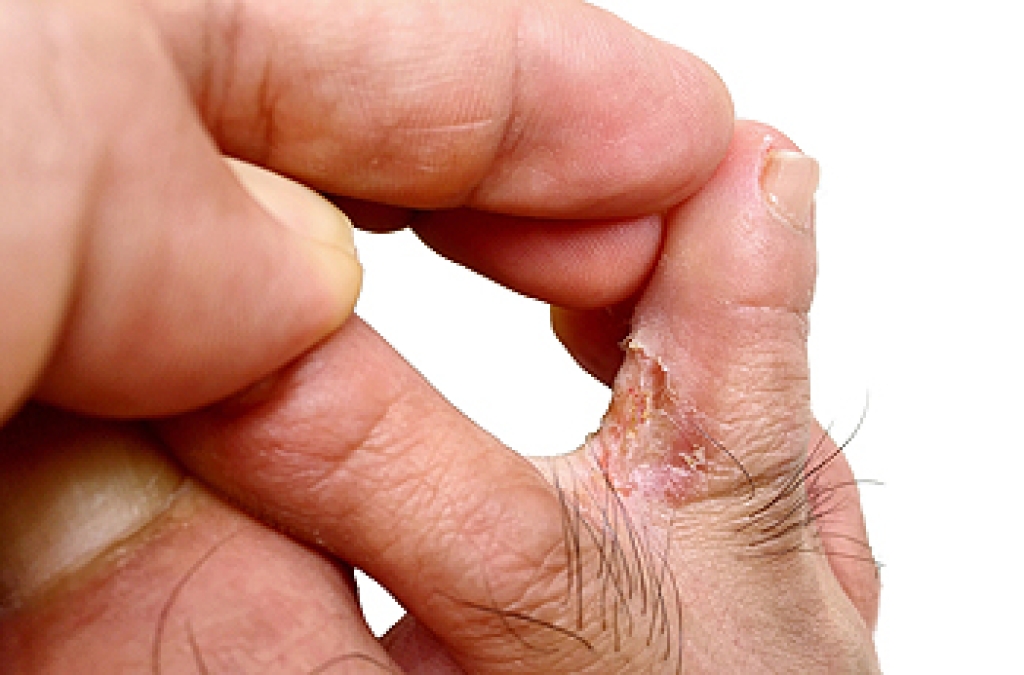
Athlete’s foot is a fungal infection that affects the skin of the feet. It is caused by fungi called dermatophytes, which thrive in warm, damp environments. The infection can develop between the toes, along the soles, or on other areas of the foot. Common symptoms include itching, burning, and cracked skin. Some people may also develop small blisters or soreness. Although athlete’s foot is usually manageable, untreated infections can spread to the toenails or other areas of the body.
There are several ways a person may develop athlete’s foot. Walking barefoot in damp public areas can increase exposure to fungi. Wearing sweaty shoes and socks for long periods creates an environment where fungal organisms thrive. Sharing footwear, socks, or towels with someone who has a fungal infection can also increase the risk. Athletes may be particularly vulnerable because sports often involve sweating, shared facilities, and prolonged periods in enclosed shoes. Other risk factors include excessive foot sweating, minor skin damage, and keeping the feet damp after bathing or exercise.
A podiatrist can diagnose athlete’s foot by examining the affected skin and reviewing symptoms. In some cases, a small skin sample may be tested to confirm a fungal infection when the diagnosis is uncertain. The podiatrist may recommend an appropriate antifungal medication and provide guidance about footwear and foot hygiene. If the skin is cracked or severely irritated, additional care may be needed to reduce the risk of bacterial infection. Persistent infections may require further evaluation.
Preventing athlete’s foot involves keeping the feet clean and dry and changing damp socks or shoes promptly. Patients should also avoid sharing personal items that contact the feet and should use appropriate footwear in communal wet areas. Seeking treatment early can reduce discomfort and help prevent the infection from spreading. If you have symptoms of athlete’s foot, it is suggested that you consult a podiatrist for effective relief and treatment solutions, which may include prescribed medication.
Athlete’s foot is an inconvenient condition that can be easily reduced with the proper treatment. If you have any concerns about your feet and ankles, contact Dr. Alan J. Spector from Shore Podiatry. Our doctor will treat your foot and ankle needs.
Athlete’s Foot: The Sole Story
Athlete's foot, also known as tinea pedis, can be an extremely contagious foot infection. It is commonly contracted in public changing areas and bathrooms, dormitory style living quarters, around locker rooms and public swimming pools, or anywhere your feet often come into contact with other people.
Solutions to Combat Athlete’s Foot
Athlete’s foot can cause many irritating symptoms such as dry and flaking skin, itching, and redness. Some more severe symptoms can include bleeding and cracked skin, intense itching and burning, and even pain when walking. In the worst cases, Athlete’s foot can cause blistering as well. Speak to your podiatrist for a better understanding of the different causes of Athlete’s foot, as well as help in determining which treatment options are best for you.
If you have any questions please feel free to contact our office located in Point Pleasant, NJ . We offer the newest diagnostic and treatment technologies for all your foot and ankle needs.
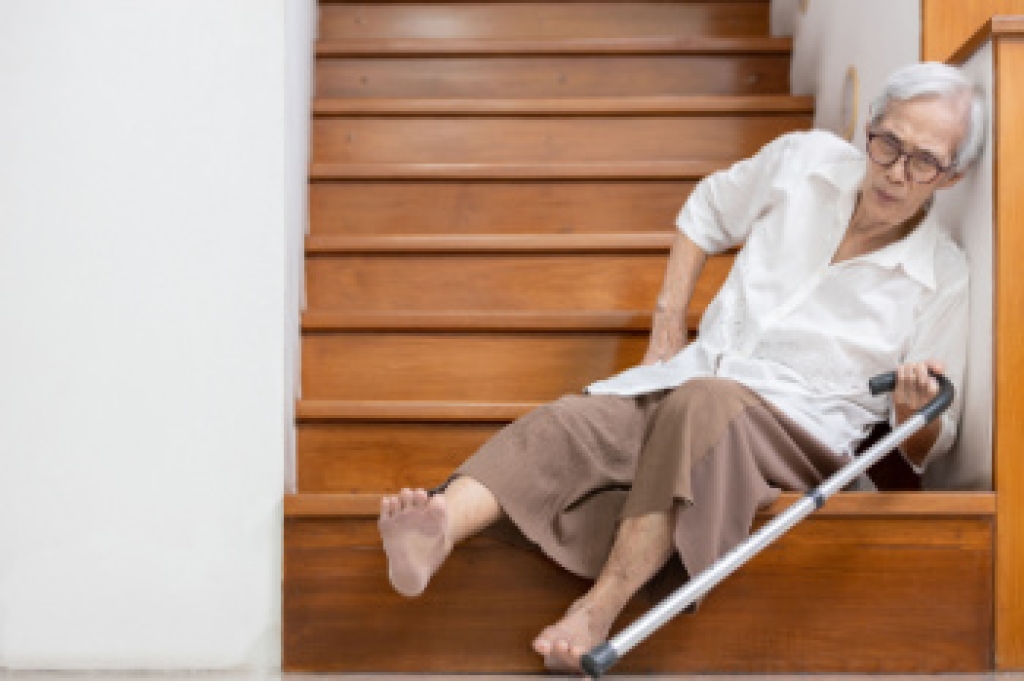
Falling at home is a common concern for older adults, and a simple stumble can cause injury. A fall happens when balance, vision, or footing is disrupted. Common symptoms after a fall include pain, swelling, or bruising. Tenderness, difficulty walking, or reduced movement may also be common. Persistent discomfort deserves attention. Falls can result in sprains, fractures, or damage to the toes and midfoot.
Several factors can increase the risk of falling at home. Loose rugs, cluttered walkways, and stairs can create hazards. Weakness, vision problems, and medications may also contribute. Seniors can reduce these risks by keeping pathways clear and securing or removing loose rugs. Installing brighter lighting and sturdy handrails can make movement around the home safer. Wearing supportive, properly fitted shoes instead of walking in socks can also improve stability.
Fall-proofing the home is especially important in areas used every day. Keep frequently used items within easy reach to avoid climbing or stretching. Use non-slip mats in areas where floors may become wet. A bathroom grab bar can provide additional support near the shower or toilet. After a fall, avoid putting weight on a painful foot or ankle. A podiatrist can examine the foot, check swelling and tenderness, and determine whether imaging is needed.
Treatment depends on the injury and its severity. A podiatrist may recommend rest, protective footwear, or temporary immobilization as needed. Bracing or supportive devices may help protect an injured area while it heals. A walking boot may protect a fracture while it heals. Follow-up visits can monitor healing and help determine when normal activity can safely resume and reduce the chance of another fall. If you have sustained a foot or ankle injury from falling at home, it is suggested that you consult a podiatrist for effective relief, treatment, and additional fall prevention tips.
Preventing falls among the elderly is very important. If you are older and have fallen or fear that you are prone to falling, consult with Dr. Alan J. Spector from Shore Podiatry. Our doctor will assess your condition and provide you with quality advice and care.
Every 11 seconds, an elderly American is being treated in an emergency room for a fall related injury. Falls are the leading cause of head and hip injuries for those 65 and older. Due to decreases in strength, balance, senses, and lack of awareness, elderly persons are very susceptible to falling. Thankfully, there are a number of things older persons can do to prevent falls.
How to Prevent Falls
Some effective methods that older persons can do to prevent falls include:
Falling can be a traumatic and embarrassing experience for elderly persons; this can make them less willing to leave the house, and less willing to talk to someone about their fears of falling. Doing such things, however, will increase the likelihood of tripping or losing one’s balance. Knowing the causes of falling and how to prevent them is the best way to mitigate the risk of serious injury.
If you have any questions, please feel free to contact our office located in Point Pleasant, NJ . We offer the newest diagnostic and treatment technologies for all your foot care needs.

Your feet are covered most of the day. If you're diabetic, periodic screening is important for good health. Numbness is often a sign of diabetic foot and can mask a sore or wound.